
Tacoronte Cleanup Highlights Legal Hurdles in Managing Diogenes Syndrome Cases
Tacoronte authorities removed 9,000 kilos of waste from a property linked to Diogenes syndrome, highlighting the legal and administrative challenges in providing psychiatric care and intervention for residents in private homes.
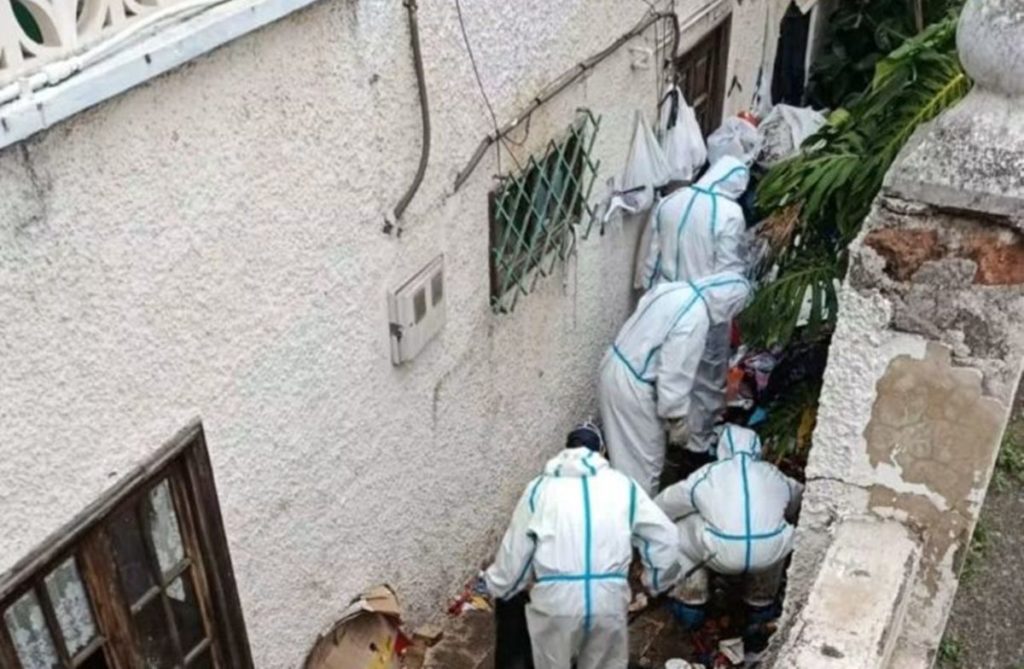
A cleanup operation in Tacoronte yesterday highlights the difficult balance between mental health, social services, and the legal hurdles local authorities face when dealing with cases of Diogenes syndrome. According to Diario de Avisos, the City Council and the Northern Commonwealth spent five hours removing nearly 9,000 kilos of waste from outside a property at 55 Carretera General to address urgent health concerns for the neighborhood.
The situation involves a 70-year-old woman with a 65% disability and a diagnosis of paranoia. Her family has long raised concerns, but the case remains stuck in administrative limbo. While the city cleaned the common areas, they cannot enter the home itself. Vanessa Luis Ravelo, the Councilor for Citizen Security, explained that current laws require permission from all property owners before officials can clean the interior, which is not yet possible.
The issue goes beyond waste management. The resident’s sister, Dulce Peraza, is calling for urgent psychiatric care, noting that the woman is not receiving treatment for her mental health or her history of cancer. This has led to a frustrating cycle where the case is passed between social services and the courts; previous judicial rulings have declined to order a forced admission, leaving the responsibility back with the local council.
The core problem is the lack of a clear legal process to intervene on private property when an individual is unable to manage their own health or living situation. Although the Tacoronte City Council has tried to offer help, the resident has missed several appointments, making clinical follow-up difficult. For now, the local government continues to monitor the situation, hoping to reach an agreement that will allow them to access the home and provide the resident with a safe, dignified living environment.