
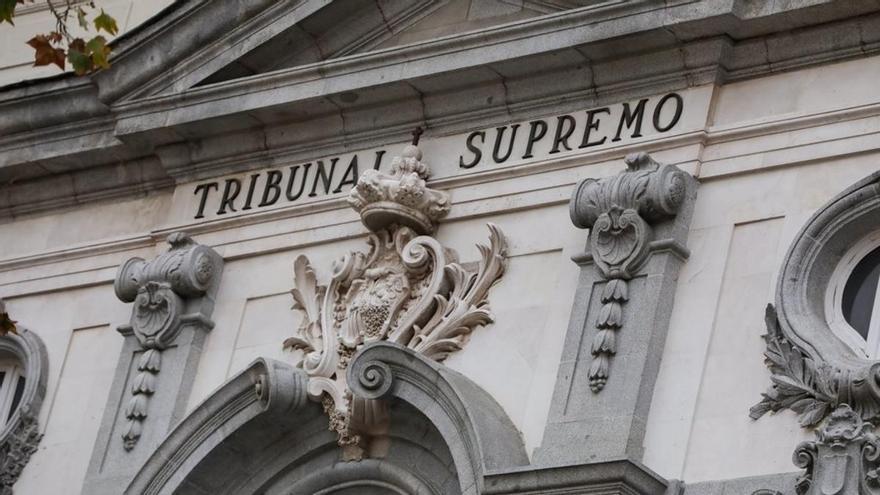
Supreme Court Confirms Santander Must Pay €300,000 for Voided Product
Spain's Supreme Court has ordered Banco Santander to pay €300,000 to a client in Tenerife, upholding the cancellation of a complex 2009 financial product due to flawed consent.
Spain's Supreme Court has ruled against Banco Santander, ordering the bank to pay €300,000 to a client in Tenerife. The court upheld the cancellation of a complicated and high-risk financial product from 2009. It also rejected Santander's argument that cancelling the 2009 contract would bring back an earlier investment from 2006. This decision confirms a 2019 ruling by the Court of First Instance in Santa Cruz de Tenerife, which originally sided with the client.
Santander had appealed that initial ruling through various higher courts, but each time, the decision remained the same, confirming the original judgment against the bank.
The Supreme Court specifically dismissed Santander's final appeal, confirming that the structured financial product the client bought in 2009 is invalid. As a result, Santander must return the €300,000, along with legal interest, commissions, and any other related expenses.
This judgment, issued by the Civil Chamber on the 18th of the month, settles a long-running legal dispute. The client sued the bank over its marketing of the 'Tridente Structured' product, which they signed up for on May 20, 2009.
The Court of First Instance in Santa Cruz de Tenerife initially declared the 2009 contract void because of a "clear defect in consent." It found that the client hadn't given proper, informed agreement when buying this complex financial product. The court then ordered Santander to return the €300,000 investment, plus legal interest, and to refund any commissions and expenses. In return, the client must give back any profits they received from the product.
Santander then appealed to the Provincial Court of Santa Cruz de Tenerife. In 2021, this court fully upheld the original decision, confirming that the bank had to return the full €300,000. It rejected Santander's claim that the product's true value was only 30% or 40% of that amount. The Provincial Court pointed out that Santander itself had stated in the 2009 contract that the €300,000 was the principal amount returned from an earlier product, signed in 2006, and immediately reinvested into this new structured product.
In its final appeal to the Supreme Court, Santander argued that the 2009 deal was a single "restructuring" operation. It involved two parts: first, ending a structured product from 2006 early, and second, buying the new 2009 product. The bank claimed that if only the 2009 contract was cancelled, the client's financial situation before the deal wouldn't be restored. This, they argued, would lead to "unjust enrichment" for the client, who would keep profits from the first investment. Santander even suggested that cancelling the 2009 contract should "bring back" the 2006 contract, or at least consider that its value at the time of cancellation was only 30% to 40% of the original amount.
However, the Supreme Court completely rejected this argument. The court highlighted that when a contract is cancelled, the law requires both parties to return what they received, putting them back in their original financial position to prevent anyone from unfairly benefiting. But in this specific case, the court stressed that ending the 2006 product and signing up for the new 2009 contract were two separate agreements. The first one permanently ended the original contract, while the second created the new product – and it was only this new product that was challenged because the client's consent was flawed.
The ruling firmly states that cancelling the 2009 contract "does not bring the previous one back to life." This decision reinforces a previous ruling concerning similar structured products and strengthens the court's established legal principle on how nullified contracts of this type should be handled.