
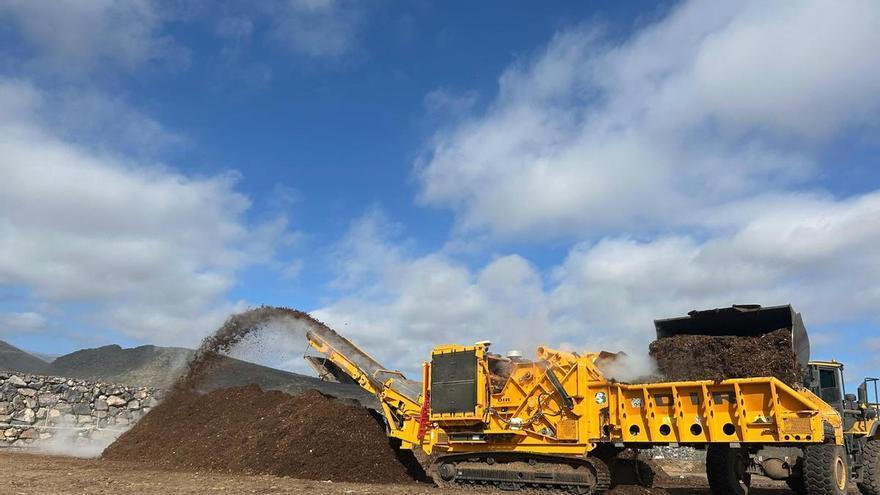
SUNA 2000 Drives Circular Economy to Boost Canary Islands Agricultural Sustainability
SUNA 2000 is advancing the sustainability of the Canary Islands' agricultural sector by transforming plant waste into nutrient-rich resources, supporting a circular economy and soil restoration.
Moving toward a circular economy is now essential for the sustainability of the Canary Islands' agricultural sector. Recent updates from the company SUNA 2000 highlight how recycling plant waste helps close the nutrient cycle, which is vital for restoring rural soil in an environment prone to erosion.
Since its founding in 1998, SUNA 2000 has built a business model that combines waste management, logistics, public services, and research. Following a leadership change in 2022, the company focused on increasing its operational capacity. This modernization proved crucial after a fire at their Arona facility in January 2024; rather than halting operations, the incident served as a catalyst for a technical restructuring.
The value of this approach lies in its ability to provide industrial-scale solutions for a diverse range of clients. By serving both large-scale producers and small farmers, the company ensures a consistent supply of high-quality inputs, which is essential for stable crop growth. This model, which turns waste into a valuable agricultural resource, aligns with European Green Deal goals to reduce reliance on synthetic fertilizers by using local biomass.
As protecting biodiversity and using natural resources efficiently become increasingly important, the work of companies like SUNA 2000 shows a clear shift away from a "throwaway" culture toward a regenerative system. After nearly 30 years in business, the company demonstrates that combining a commitment to the environment with robust technical infrastructure is the best way to meet the agricultural sector's growing demand for long-term sustainability.