
Study Reveals Sustainable Land Management by Tenerife’s Aboriginal Societies
New research from the University of La Laguna reveals that Aboriginal societies in Tenerife maintained a planned, sustainable land-management system along the coast for over a millennium.
Aboriginal societies in Tenerife did not manage their land by chance; they relied on a planned, sustainable system that lasted for a millennium. New research from the University of La Laguna (ULL), published in the journal The Holocene, offers fresh insight into how humans interacted with the coastline of Buenavista del Norte between the 2nd and 12th centuries.
The study is significant because of its multidisciplinary approach. By combining the analysis of mollusk remains with plant microfossils—such as pollen and phytoliths—researchers reconstructed how the coastal landscape changed and how human activity affected local vegetation. This method reveals how the environment transformed during the early stages of island settlement and provides new data on the sustainability of harvesting limpets and periwinkles, which were central to the local economy.
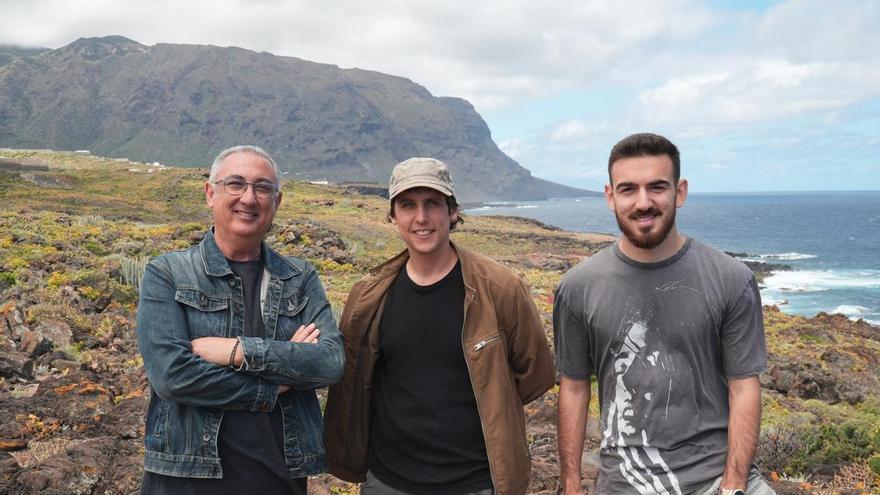
The ULL has studied this archaeological site, which contains nearly a hundred deposits including caves and burial sites, for over two decades. Led by researchers Álvaro Castilla and Cristo Manuel Hernández, the project involved collaboration with the Government of the Canary Islands, the firm Tibicena, and various scientific groups. Their work confirms that these coastal activities continued steadily for ten centuries.
Beyond historical discovery, the project serves as an important training ground for students. By mapping the relationship between shell deposits and residential areas, the team has bridged the gap between scientific research and heritage management. This collective effort highlights the adaptability of the Guanche people and provides valuable lessons for modern coastal conservation, proving that understanding the past is essential to managing the resilience of island ecosystems today.