
Study Reveals History of La Orotava’s Transition from Church Burials to Public Cemeteries
New research reveals how La Orotava transitioned from church-based burials to a dedicated cemetery in 1823, driven by public health mandates and the structural instability of the town's historic parish.
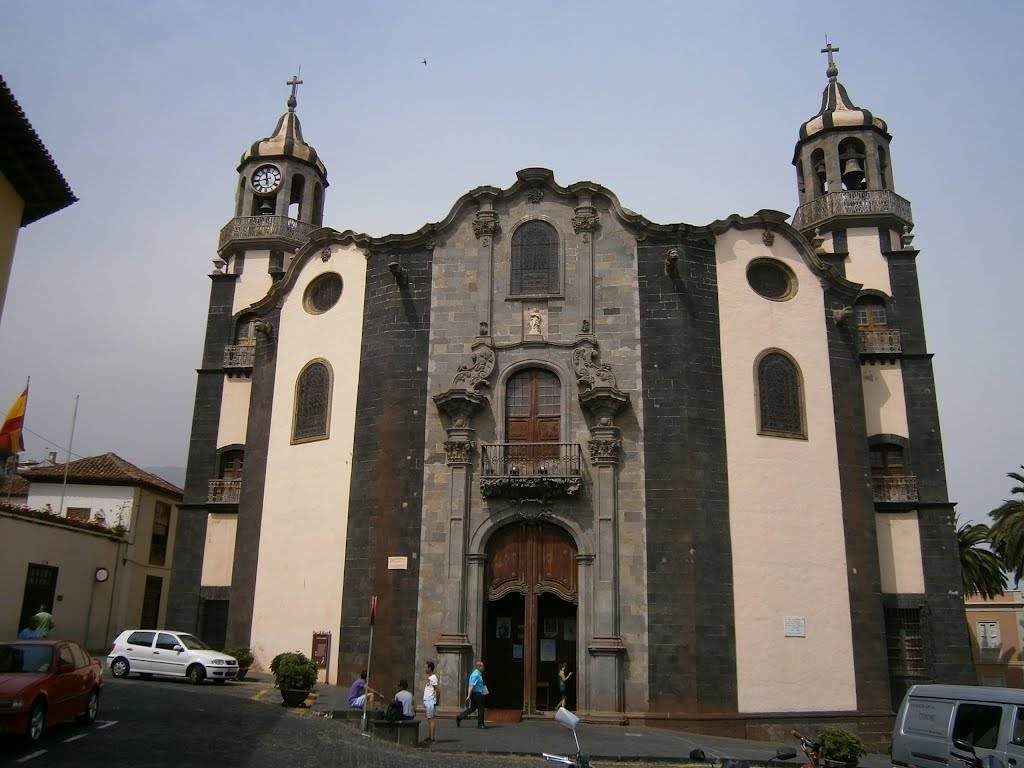
A recent study by a member of the Genealogical and Heraldic Society of the Canary Islands has shed new light on the history of burials in La Orotava. The research explores the town’s transition from the traditional practice of burying the dead inside churches to the modern, health-conscious approach of the 19th century. This shift was driven by both religious customs and the severe structural problems that plagued the Church of La Concepción for over a hundred years.
Historical records show that from the time of the conquest until the town’s permanent cemetery opened in 1823, the church served as the main burial site for the community. Even after the earthquakes of 1704 and 1705 caused significant damage, burials continued there, accounting for 60% to 65% of all parish interments. Because of administrative delays, the church remained in use for both worship and burials long after it was declared a ruin in 1758.
The research highlights a particularly challenging period between 1768 and 1788, when the old church was demolished and a new one was built. During these two decades, the parish moved its services and burial activities to the San Agustín and San Nicolás convents. Parish records confirm that the remains of prominent figures and clergy were moved to these temporary sites, while a makeshift area was set up at the construction site for the town’s poorest residents, illustrating the difficult conditions of the time.
Change was eventually forced by the Crown. A 1787 Royal Decree from Charles III banned burials inside churches to improve public health. Despite this, old habits died hard; even after the new Church of La Concepción reopened in 1788, it still hosted 55% of all burials until the new cemetery was finally blessed in 1823. The study concludes that until that cemetery opened, burials were scattered across various local hermitages and convents, marking the end of an era where faith, architecture, and government policy shaped the town’s social landscape.