
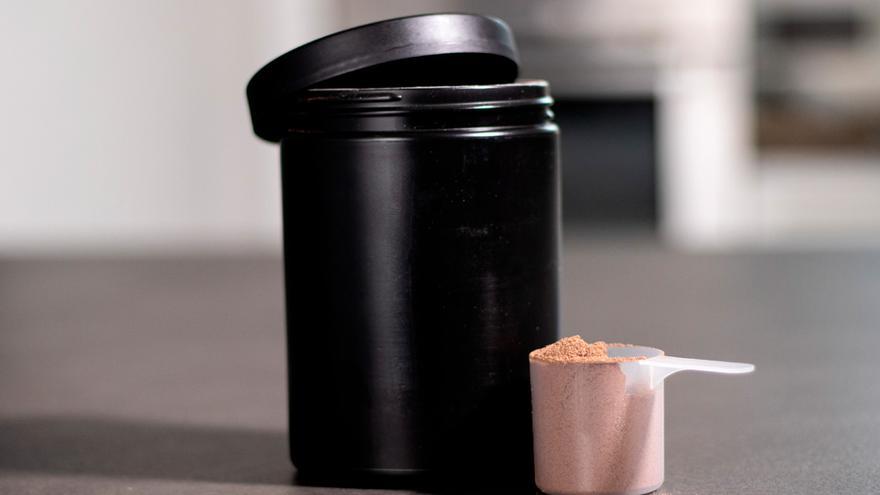
Study Finds Harmful Metals in Plant Protein Supplements
A University of La Laguna study has identified toxic metals in plant-based protein supplements sold in Europe, warning that while typical doses are safe, high consumption could exceed recommended intake levels for certain elements and underscores the need for enhanced quality control.
A study led by the University of La Laguna has found toxic and potentially harmful metals in plant-based protein supplements sold in Europe. These metals include lead, cadmium, nickel, aluminum, strontium, barium, boron, and vanadium.
This research is the first of its kind to widely examine both essential nutrients and potentially harmful elements in these products. The team looked at 56 different supplements bought from gyms, pharmacies, supermarkets, and special stores.
The University of La Laguna explained that this analysis comes at a time when the market for food supplements and plant-based diets is growing very quickly.
These supplements do contain important nutrients like sodium, potassium, calcium, magnesium, iron, zinc, chromium, and molybdenum, all of which our bodies need to work properly.
However, the study also found toxic and potentially harmful metals. While the amounts of these elements are low, researchers warn that the risk depends on how much is consumed, especially for people who take more than the recommended dose.
To understand the actual exposure to these elements, the team looked at three different ways people might use the supplements: the usual recommended dose of 30 grams per day, a high consumption of 60 grams per day, and a very high consumption of 100 grams per day.
The results showed that taking 30 grams daily does not go over the safe limits set by international organizations, for either essential nutrients or toxic elements.
But if people take 60 or 100 grams daily, some elements might go above what's considered a safe intake.
For example, with very high consumption (100g), molybdenum could reach up to 250% of the recommended daily amount. Iron could also exceed 120% of the recommendation for men and women past menopause.
The study also found that women taking 100 grams of these supplements daily could consume more than the recommended amounts of copper and magnesium.
The researchers also looked at the risk from lead, which is one of the most worrying metals for health.
To study how much lead people might be exposed to, they used a method called Margin of Exposure (MOE). This method compares the estimated amount consumed with levels known to cause harm.
The results showed that even when taking the highest amounts of these supplements, the MOE was greater than 1. This means the health risk is considered low.
However, the study's authors stress that this safety margin could shrink if people also get lead from other foods, or if they consume even larger amounts than those studied.
The study also pointed out big differences in the amounts of essential and toxic elements depending on where the protein in the supplement came from.
For example, supplements made from soy, pea, or other plants showed clear differences in elements like sodium, potassium, magnesium, manganese, copper, iron, and zinc, as well as in several potentially harmful elements.
This suggests that the type of plant used and how the supplements are made play a big part in the final mix of minerals they contain, according to the university.
The study emphasizes that while plant-based protein supplements are a sustainable and beneficial food choice when used correctly, they can also unknowingly expose people to toxic metals.
Because of this, the researchers stress the need for better quality checks, consistent regulations, and encouraging people to consume these products responsibly. With more vegetarians, vegans, athletes, and casual users taking these supplements, monitoring health becomes "essential to ensure food safety."
The study was published in the 'Journal of Trace Elements in Medicine and Biology.' It was carried out by Elena Bethencourt-Barbuzano, Katarzyna Siedzik, Dailos González-Weller, Soraya Paz-Montelongo, Ángel J. Gutiérrez, Arturo Hardisson, and Carmen Rubio, all from the Environmental Toxicology and Food and Pharmaceutical Safety Research Group at La Laguna.
Researchers from Complutense University of Madrid, the University of Krakow, and the University of Gdansk also took part in the work.