
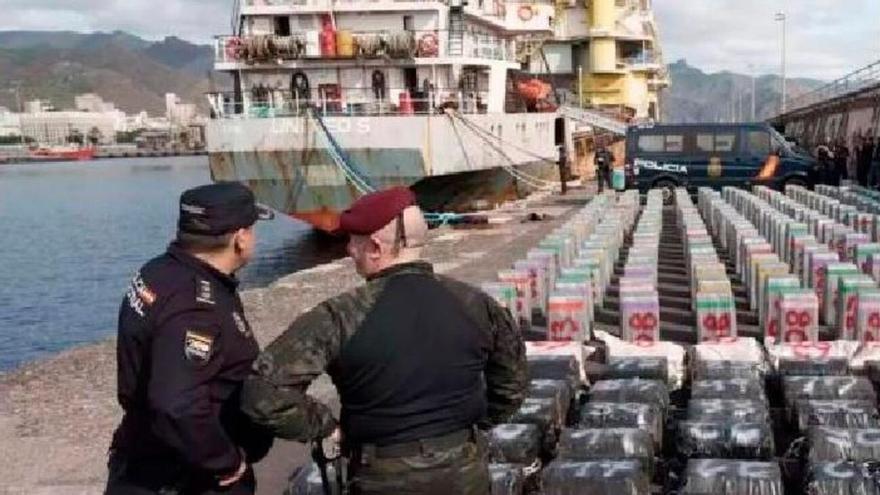
Stranded Indian Sailors Face Homelessness in Spain Following Drug Trafficking Probe
Seven Indian sailors stranded in Spain after their vessel was seized in a drug trafficking investigation face homelessness as their temporary housing expires, prompting the International Transport Workers' Federation to demand urgent government intervention.
Seven Indian sailors from the vessel United S are facing a housing crisis in Spain, highlighting major gaps in how maritime workers are protected when caught up in drug trafficking investigations. The International Transport Workers' Federation (ITF) warns that the men will have nowhere to stay after March 23, when their temporary accommodation at the Casa del Mar in Tenerife expires.
The case began last January when the United S was intercepted carrying a shipment of cocaine. Of the original thirteen crew members, six remain in pretrial detention. The other seven have been released on the condition that they surrender their passports, report to authorities weekly, and remain in Spain.
The ITF, led by inspector Gonzalo Galán, suspects the men were victims of human trafficking for labor exploitation. The sailors claim they each paid $6,000 to intermediaries in India to secure their jobs with the Turkish firm Sea Dream Shipping LT. They report that after the ship’s ownership changed to the Honduran company Capo Maritime CO S.A. in October 2025, they were never paid their promised wages. Furthermore, the crew alleges that armed men forced them to load the drugs onto the ship during a stopover in Brazil.
The sailors' situation worsened on March 6, when the Maritime Captaincy ordered them to evacuate the seized vessel due to generator failures and structural safety concerns. While local groups, including the Santa Cruz de Tenerife City Council and the Port Welfare Committee, are searching for housing, no long-term solution has been confirmed, leaving the men in a state of legal and social limbo.
Luz Baz, coordinator of the ITF, says this is not an isolated incident. She explains that Spain’s position on major drug trafficking routes often leaves foreign crews as "collateral victims" of criminal networks. The ITF is now urging the Directorate General of the Merchant Marine, the Social Institute of the Navy, and the Indian Embassy to coordinate an urgent response. The organization plans to raise the case with the National Welfare Committee to address the growing number of maritime workers being abandoned in such vulnerable conditions.