
State Museums to Re-exhibit Human Remains Under New Ethical Guidelines
Spain's State Museums will re-exhibit human remains, including the Guanche mummy, under new ethical guidelines, though a decision on returning the mummy to the Canary Islands remains unannounced.
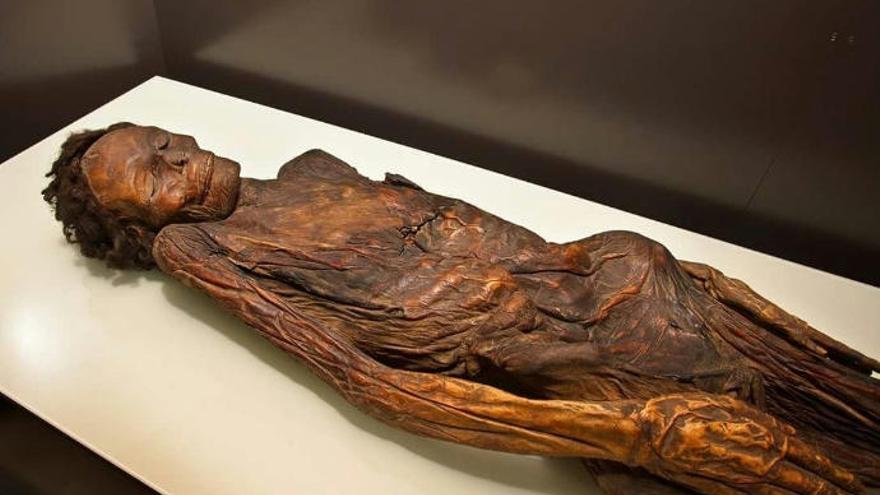
State Museums will once again display human remains, including the well-known Guanche mummy, a significant part of Canarian heritage. This will be done with strict ethical guidelines and respect for dignity. However, the Minister of Culture, Ernest Urtasun, did not announce any decision regarding the formal request from the Canary Islands government to return the mummy, which is currently in Madrid.
Urtasun stated that the nearly 15,000 human remains held by museums under his department will be re-exhibited following international recommendations for ethical treatment. "Human remains can be displayed, but it must be done with respect and dignity, which wasn't always the case before," he said.
The minister did not confirm whether the Guanche mummy, a key item at the National Archaeological Museum, would be sent to the Canary Islands or stay in Madrid, despite knowing about the regional government's request. In February, the Ministry of Culture had already mentioned that most human remains are stored rather than exhibited.
Urtasun described these changes as part of a "decolonization" effort and an update to museum displays, aiming to bring institutions like the Museum of America and the National Museum of Anthropology into the 21st century with more critical, respectful, and modern storytelling.
He also supported recent comments by the Minister of Foreign Affairs, José Manuel Albares, who acknowledged the "pain and injustice towards indigenous peoples." Urtasun believes this helps foster cultural cooperation with countries like Mexico and opens the door to reconciliation.