
Spanish Researchers Compile Major New Catalog of Solar System Objects
Spanish researchers have compiled a comprehensive catalog of over 6,500 celestial bodies using the Javalambre Astrophysical Observatory to analyze the composition and behavior of solar system remnants.
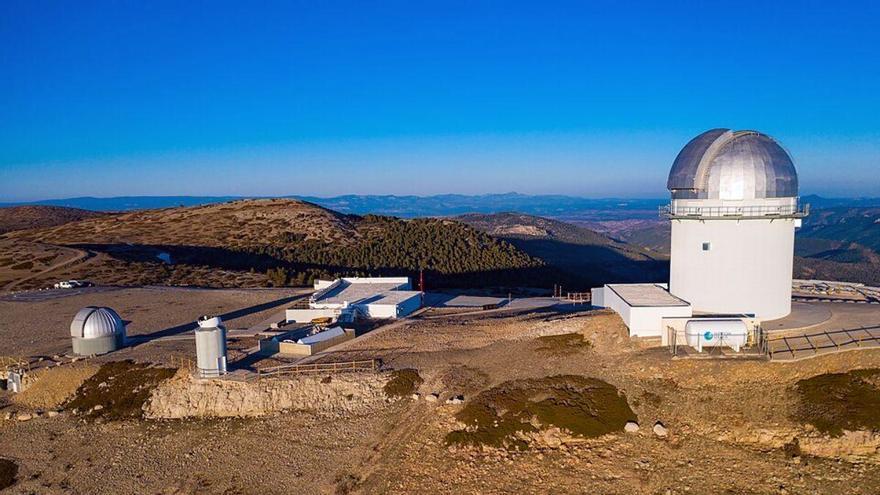
Spanish researchers have made a major breakthrough in studying the small objects that orbit our Sun. A team from the University of La Laguna (ULL) and the Institute of Astrophysics of the Canary Islands (IAC), led by astrophysicist Carlos Hernández Monteagudo, has compiled one of the most comprehensive records of these objects ever produced in Spain. Their findings, recently published in the Monthly Notices of the Royal Astronomical Society, utilize the advanced technology of the Javalambre Astrophysical Observatory to better understand the composition and behavior of these ancient remnants of our solar system.
The research is based on data from the Javalambre VARiability Survey (J-VAR). By processing over 30,000 images, the team identified 6,579 celestial bodies, including asteroids, comets, and irregular satellites. Most of these are located in the main asteroid belt between Mars and Jupiter, a region that serves as a "fossil record" of how our planetary system formed.
Using a technique called multiband photometry—which involves observing objects through seven different light filters—the researchers did more than just spot these bodies. They were able to determine their surface compositions, such as whether they are made primarily of silicates or carbon, and track how they rotate by measuring changes in their brightness. The survey’s accuracy was proven when it identified a previously unknown object, which the Minor Planet Center later confirmed to be an irregular satellite of Jupiter.
This new catalog is a significant achievement for astronomy and provides a strong foundation for future studies. The team plans to expand their data and improve their classification methods, which will offer deeper insights into the origins and evolution of our solar system. This project highlights the vital role of Spanish scientific infrastructure in mapping the space surrounding our planet.