
Spanish Police Dismantle Major Cybercrime Network in €1 Million Fraud Crackdown
Spanish authorities have dismantled a sophisticated criminal network responsible for over one million euros in digital fraud, resulting in 29 arrests and the seizure of extensive equipment used for large-scale smishing and vishing scams.
Spanish authorities have dismantled a major criminal network responsible for over one million euros in digital fraud and money laundering. The operation, codenamed "Ibermellow" and led by the Civil Guard in Huesca, highlights the increasing sophistication of cybercrime in Spain.
The investigation revealed that the group did not just rely on isolated cyberattacks; they operated organized call centers to carry out social engineering scams. The criminals would send mass text messages warning of fake suspicious bank activity. They then called victims, posing as bank employees, to trick them into authorizing fraudulent transfers or taking out loans.
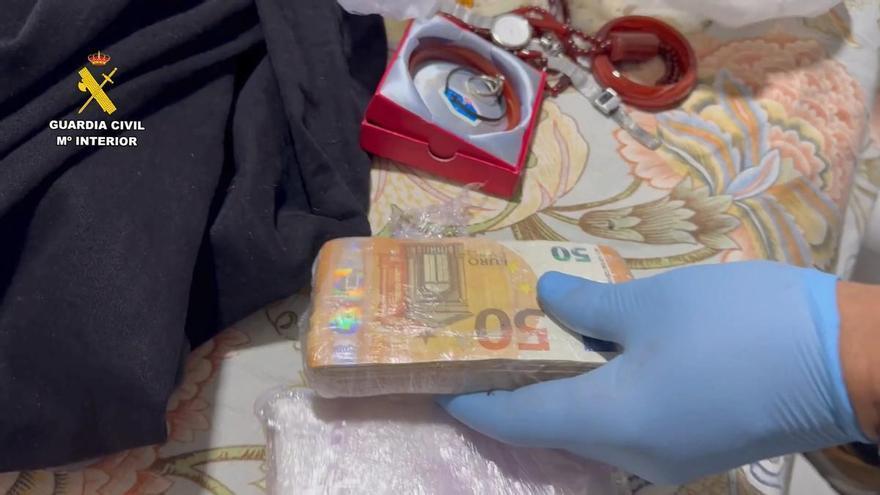
The police operation resulted in 29 arrests and 57 people currently under investigation. The crackdown took place in two stages. First, officers targeted the group’s technological hub, seizing equipment capable of sending 100,000 text messages per hour. Raids in Badalona, Terrassa, Madrid, and Cartagena led to the recovery of 95 mass-messaging devices, 365 SIM cards, 176 bank cards, 70 mobile phones, and over 57,000 euros in cash.
The second phase focused on the money laundering network, which involved collaborators across 24 provinces. By tracking these "money mules," the Civil Guard successfully blocked and recovered over 256,000 euros. The wide geographical reach of the suspects—stretching from A Coruña to the Canary Islands—demonstrates how difficult it is to trace funds once they enter the laundering circuit.
This case serves as a stark reminder of the dangers of smishing (fraudulent texts) and vishing (fraudulent calls), which exploit the trust people place in their banks. The case is now with the courts in Aragon, where officials will determine the legal consequences for the nearly 90 individuals involved in what is considered one of the most significant blows to organized cybercrime in recent months.