
Spanish Police Bust Tenerife Cult for Criminal Rites
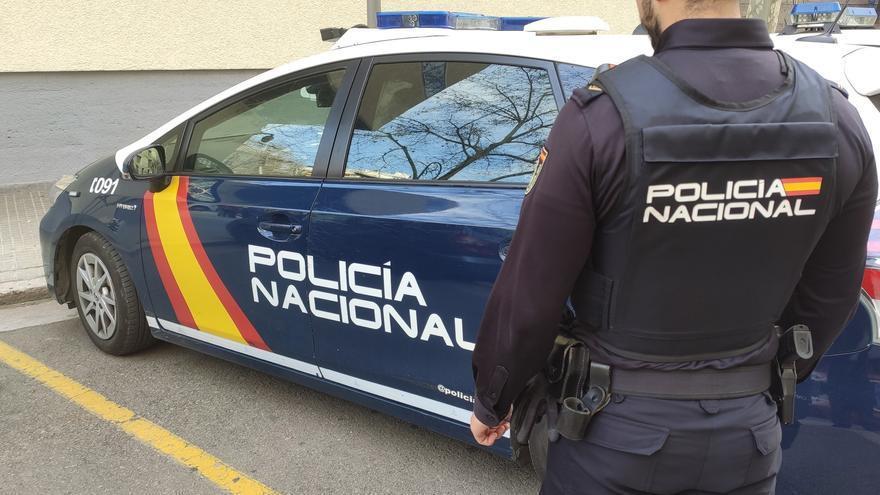
Spanish police have broken up a cult in Tenerife, arresting its leader who allegedly used Afro-Cuban rituals to conceal criminal activities and exert control over followers' lives.
Spanish police have broken up a cult whose leaders had been living in Tenerife for several years.
The investigation and the operation were carried out by officers from the General Information Bureau, who traveled from Madrid specifically to intervene with the group.
The cult reportedly performed Afro-Cuban or Santeria rituals, which they apparently used to hide various criminal activities. According to the limited information available, these Yoruba religious practices were adapted to serve the interests of the leader, a middle-aged man who lived in the La Esperanza area of El Rosario.
Police conducted the operation this week against a relatively small group, and the suspected leader was arrested. Some individuals were reportedly recruited to live with the leader and his partner in their home. The leader had a strong ability to influence his followers' decisions, even on important matters like their health or finances.
Several sources confirmed that the investigation is ongoing and that, for now, details are being kept confidential. The inquiries began with officers from the National Police's Information Brigade in Santa Cruz de Tenerife, who later referred the case to their colleagues at the General Bureau in Madrid.
Manuel Pérez Torres, a psychologist, cult expert, and representative for victim associations, explained that police operations do not target religious practices themselves. Instead, they focus on the alleged criminal actions carried out by some individuals in parallel with those practices.
Pérez Torres noted that Santeria "is very common and widespread" in the Canary Islands; "it almost forms part of our culture." He clarified, however, that "some of these practices can develop into a cult-like operation." He pointed out that many Canarians who emigrated to countries where the Yoruba religion is widespread adopted these practices and continued them upon returning to the Archipelago. Similarly, immigration from Latin American countries where these rites are practiced has also contributed to their development on the islands.
From this specialist's perspective, some of these groups pressure or extort members into making significant monetary contributions for certain practices.