
Spanish Officials Urge Beachgoers to Follow Safety Flags Amid Summer Risks
Spanish officials are urging beachgoers to prioritize safety this summer by strictly adhering to lifeguard instructions and the universal flag warning system.
Beach safety in Spain is back in the spotlight as officials urge swimmers to follow basic precautions this summer. To reduce accidents, it is essential that everyone pays close attention to the warnings and instructions provided by lifeguards.
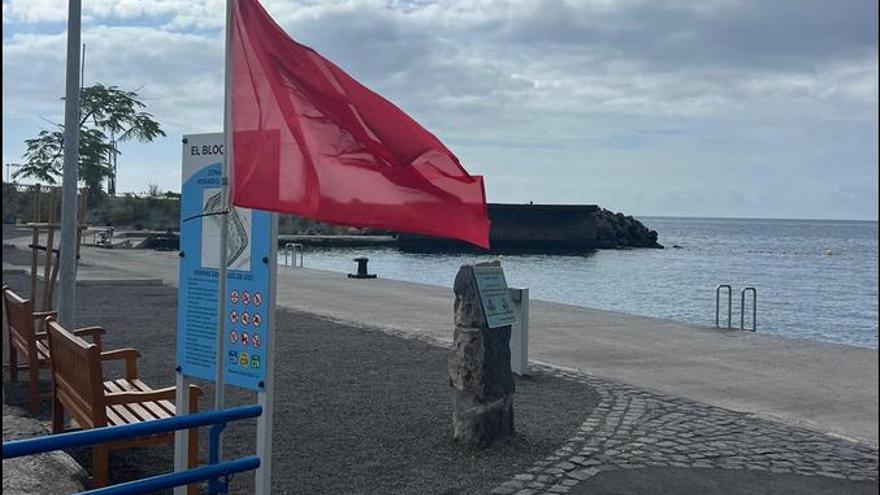
The flag system is a vital safety tool, not just a suggestion. A green flag means conditions are safe, while a yellow flag warns you to be extra cautious, avoid floating devices, and stay close to the shore. A red flag means swimming is strictly prohibited. In some areas, you may also see a black flag, which indicates that the beach is closed due to extreme danger, such as strong currents, deep holes, or water contamination. Other flags, such as white or purple ones, warn of jellyfish or other stinging marine life.
It is important to note that a "Blue Flag" award recognizes a beach for its high standards and services, but it does not guarantee that the water is safe for swimming at any given moment. Sea conditions can change rapidly, so always check the current flag status. Additionally, black-and-white checkered flags mark areas reserved for water sports; swimmers should stay out of these zones to avoid collisions.
Public safety also depends on personal responsibility. Drinking alcohol, swimming after a heavy meal, or failing to supervise children significantly increases the risk of accidents, even when the water looks calm. Always follow the instructions of the lifeguards—they are there to keep you safe. The sea is unpredictable, so always assess your surroundings and respect the rules before heading into the water.