
Spanish Lawyer Fined for AI-Generated Fake Legal References
A lawyer in the Canary Islands has been fined €420 by the High Court of Justice for including 48 fake AI-generated legal references in an appeal without verification, highlighting concerns about ethical AI use in law.
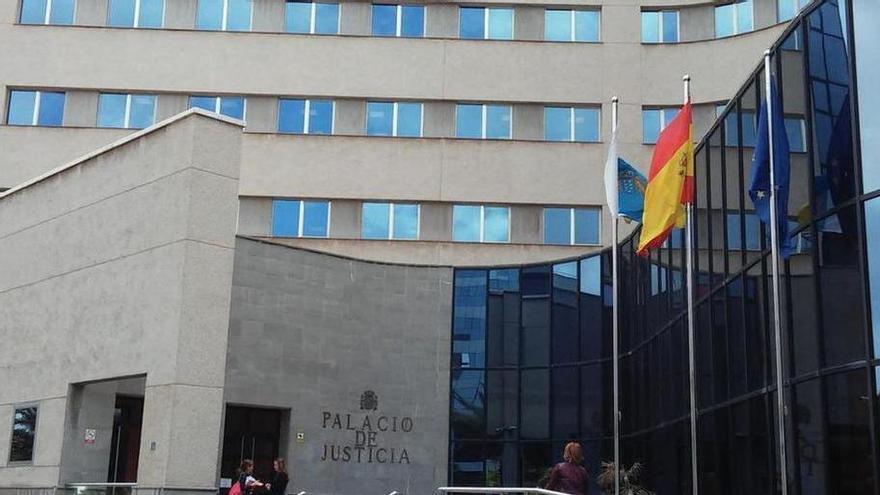
The High Court of Justice of the Canary Islands (TSJC) has made an important decision regarding the use of artificial intelligence (AI) in Spanish law. They fined a lawyer from Santa Cruz de Tenerife for breaking rules about honesty and good faith in court. The lawyer had included 48 fake legal references, generated by an AI tool, in an appeal.
The TSJC's Criminal Chamber fined the lawyer 420 euros. They also ordered that the details of the case be sent to his Bar Association, so they can consider further disciplinary action. This incident highlights growing concerns about using advanced technology in legal work and the need to maintain ethical standards and professional care.
When preparing an appeal against a ruling from the Provincial Court of Santa Cruz de Tenerife, the lawyer used a general AI tool to support his arguments. This tool generated references to 48 supposed Supreme Court decisions and a report from the General Council of the Judiciary. However, a TSJC document specialist later checked these references and found they didn't exist. The court emphasized that the lawyer did not review or verify any of this information. He failed to cross-reference the details, such as ruling numbers, dates, or identifiers, with official, publicly accessible databases like the Judicial Documentation Center (Cendoj). The court stated that this lack of human oversight goes against a lawyer's basic professional duty and violates the Lawyers' Code of Ethics.
To decide the fine amount, the court applied a standard it called "exemplary." They based it on the estimated annual cost of a specialized legal AI tool, which is about 840 euros, and set the fine at half that amount. The lawyer received a reduced fine because he admitted what he did, accepted responsibility, and showed remorse that the court considered genuine.
The court's decision, led by TSJC President Juan Luis Lorenzo Bragado, acknowledges the potential of AI in law. However, it stresses that human supervision must be the most important part of using these systems in any professional work. The court insisted that AI tools should only be seen as helpful aids, not as tools that make final decisions, to prevent lawyers from relying on them without question.
The lawyer also told the court he was worried his identity became public. He claimed this happened because of a press release from the TSJC's Communication Office and the sharing of the order to start the separate case, even though his name was supposedly hidden using a tool approved by the General Council of the Judiciary (Kendoj). The lawyer argued that the anonymized decision still contained a General Identification Number (NIG). He said this number allowed others to find the original ruling in CENDOJ, where the names of the professionals involved were not hidden. He reported being mocked and receiving negative comments from other lawyers.
While the court expressed regret about the potential damage to the lawyer's reputation, it denied any wrongdoing by its Communication Office. It explained that the ruling was shared after being anonymized – even including the lawyer's own name, which is uncommon – using the tool from the CGPJ. The court concluded that if someone could indirectly find the judgment using the NIG, it's because of how the publication system works: this number links to the original decision sent to CENDOJ, where, by official rules, the names of professionals are not hidden.