
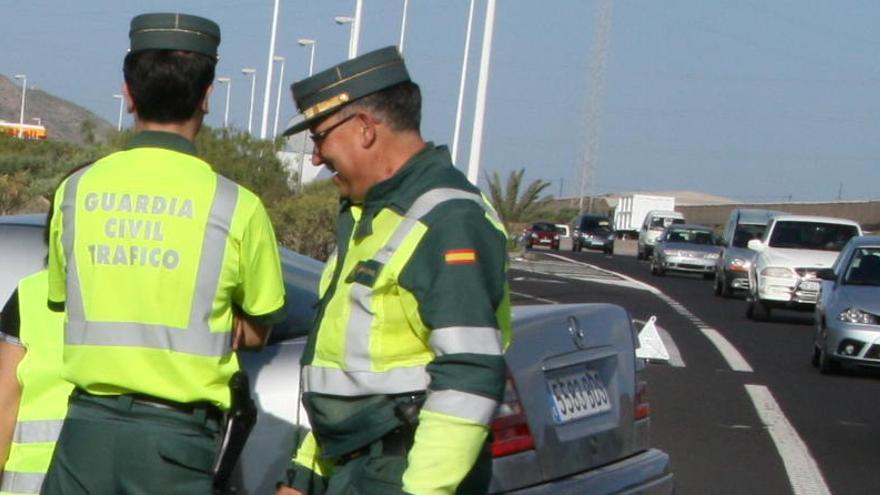
Spanish Civil Guard Cracks Down on Seat Belt Violations
Spain's Civil Guard is intensifying seat belt checks nationwide to combat persistent non-compliance, aiming to boost road safety and reduce accidents, with violations punishable by a €200 fine and four license points.
Spain's Civil Guard is stepping up checks on seat belt use. This comes as data from the Directorate-General for Traffic (DGT) shows that not wearing a seat belt remains one of the most common traffic offenses on Spanish roads. The campaign aims to highlight the importance of seat belts, which, despite being mandatory and proven to save lives, are often ignored by drivers and passengers, even on short journeys.
Traffic authorities stress that a seat belt's main job isn't just to keep people in their seats during a crash. It's designed to slow down the body's movement, spread out the force of impact, and significantly reduce injuries. The DGT points out that seat belts are a key part of a car's wider safety system, working together with other restraint features.
In Spain, seat belts became compulsory for front seats in 1975 and for rear seats in 1992. Authorities remind everyone that they must be worn in all seats of the vehicle, without exception. They also stress that seat belts must be in perfect working order, with no damage that could stop them from protecting you once the journey begins.
The DGT also highlights that drivers are responsible for making sure this rule is followed, especially when children are in the car. In these situations, it's not just about wearing a seat belt; it's also crucial to correctly install and use the right child restraint system (CRS) for the child's age and weight.
Not wearing a seat belt is considered a serious offense. It comes with a 200-euro fine and four points deducted from your driving license. Therefore, the Civil Guard's surveillance campaigns aim not only to ensure people follow the law but also to improve road safety and reduce accidents on Spain's roads.