
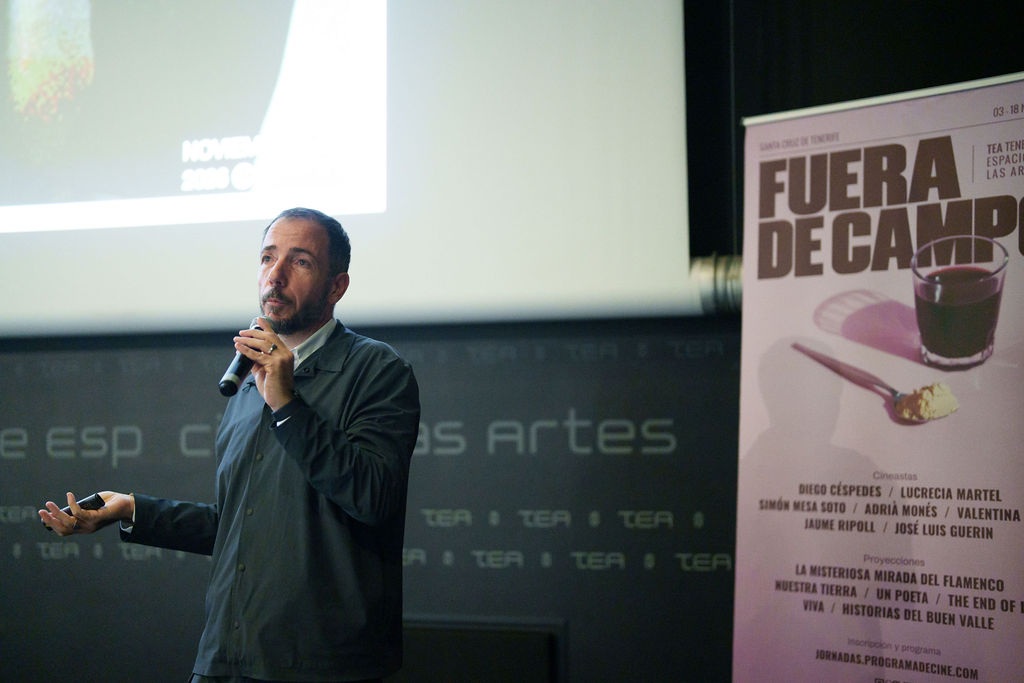
Spanish Cinema Enters New Era of Global Influence, Says Filmin Co-Founder Jaume Ripoll
Filmin co-founder Jaume Ripoll asserts that the Spanish film industry is entering a new era of global influence by bridging the gap between artistic cinema and mass audiences through digital accessibility and inclusive festival programming.
The Spanish film industry is entering a new era of global influence, according to Jaume Ripoll, co-founder of the streaming platform Filmin and director of the Atlàntida Mallorca Film Fest. Speaking at the 6th "Cine Fuera de Campo" conference in Tenerife, Ripoll argued that the film industry is at a turning point where traditional cinemas and digital platforms must work together to thrive.
Ripoll challenged the common belief that "auteur" or artistic cinema only appeals to a small audience. On the contrary, contemporary Spanish films are proving they can reach mass audiences, supported by major wins at festivals like Berlin and Venice and the commercial success of local hits. He also noted that the high skill level of Spanish technical crews has become a major asset for the industry on the world stage.
Regarding how we watch movies, Ripoll believes the digital revolution has been a major win for viewers. While some may miss the days of video store clerks recommending films, today’s digital landscape offers better, more democratic access to both classic and modern cinema. As Filmin approaches its 20th anniversary, the platform is focusing on staying competitive by offering exclusive titles and carefully curating a mix of fiction and non-fiction works to highlight emerging talent.
This commitment to connecting with the public is also at the heart of the Atlàntida Mallorca Film Fest. Now in its 16th year, the festival aims to remove the "exclusive" label from high-quality cinema by hosting open-air screenings and events that welcome everyone. Ripoll believes this proves that audiences are far more interested in unique, challenging films than traditional distribution models often assume. Looking ahead, he points to directors like Marine Atlan, Arthur Harari, and Ilya Khrzhanovskiy as proof that cinema remains vibrant as long as it continues to surprise an increasingly open-minded audience.