
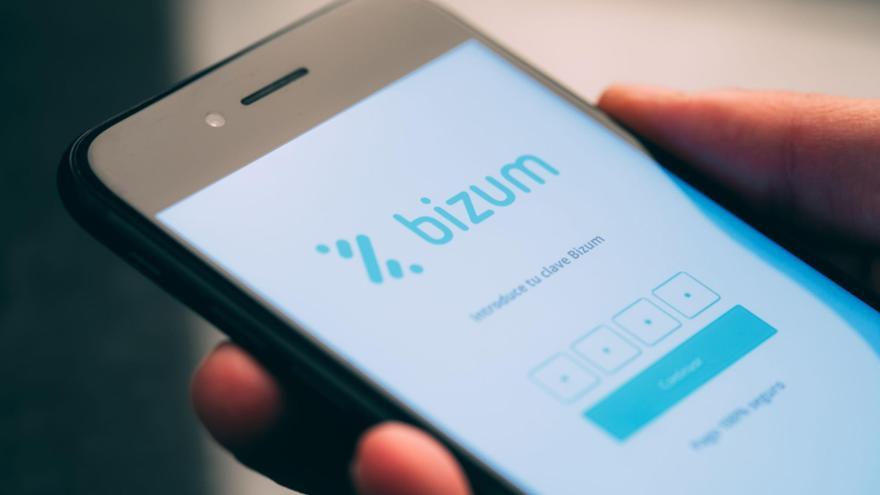
Spanish Authorities Issue Warning Over Rising Bizum Triangulation Scams
Spanish authorities are warning the public about a rising Bizum scam where fraudsters trick victims into sending money under the guise of refunding an accidental payment.
Cybercrime in Spain has reached a worrying level, with scammers increasingly using everyday tools to target people's bank accounts. The Civil Guard has issued a warning that the instant payment app Bizum is now a primary target for fraudsters who exploit people’s good intentions to steal money.
The scam works through a process of triangulation. A criminal sends an unsolicited payment to a random person and then immediately contacts them, claiming it was a mistake and asking for a refund. If the victim agrees, they aren't actually returning the scammer’s money; they are sending their own funds to a third party who has also been tricked by the same fraudster. When the original victim of the first transaction reports the fraud to their bank, the bank reverses the charge. This leaves the person who "refunded" the money out of pocket, with little chance of getting it back.
The National Cybersecurity Institute (INCIBE) is urging the public to be extra cautious when dealing with strangers online. Experts advise users to carefully check every app notification—making sure to distinguish between a request for money and a receipt of funds—and to be wary of anyone pressuring them to move money quickly.
Protecting your personal information is your best defense. Authorities recommend that you never share screenshots showing your bank balance or account details, and that you adjust your privacy settings on messaging apps to prevent strangers from adding you to groups.
If you receive a Bizum payment from someone you don’t know, do not send a refund. Instead, contact your bank immediately to report the incident, block the sender, and file a formal police report. Reporting these scams is vital, as it helps law enforcement track these criminals and shut down their operations.