
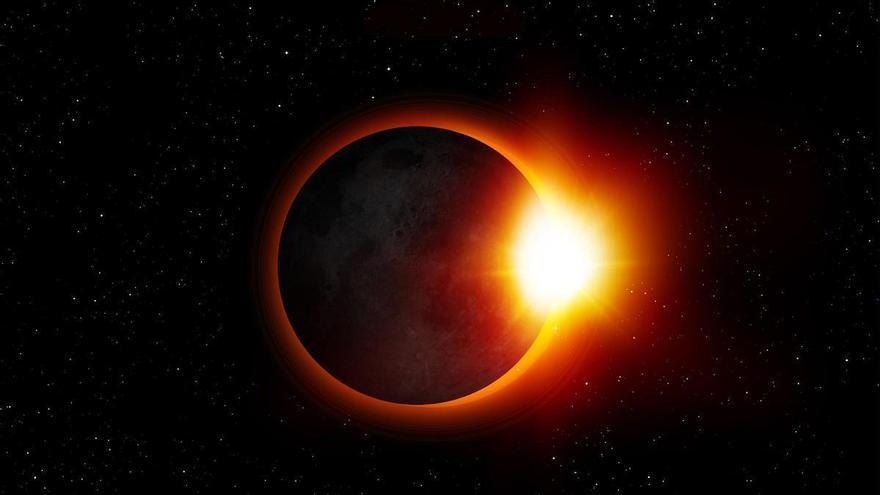
Spain to Become Global Astronomy Hub for Rare 2027 Total Solar Eclipse
Spain is set to become a premier global destination for astronomy as it prepares to host a rare total solar eclipse on August 2, 2027, marking the second of three consecutive eclipses crossing the country between 2026 and 2028.
Spain is set to become a global hub for astronomy over the next few years. According to the National Geographic Institute (IGN), Spain will be the only country in Europe to experience the full totality of the solar eclipse on August 2, 2027. This event is part of a rare series of three solar eclipses crossing the country between 2026 and 2028.
The 2027 eclipse is particularly significant due to its long duration and the path it will take across southern Spain. While the eclipse will travel from the Atlantic to the Indian Ocean, it will pass directly over Ceuta, Melilla, Cádiz, Málaga, and parts of Granada and Almería. Ceuta will offer the best view, with the total eclipse lasting 4 minutes and 48 seconds, followed by Melilla (4 minutes and 34 seconds), Cádiz (2 minutes and 54 seconds), and Málaga (1 minute and 48 seconds).
Even in areas outside the path of totality, such as the Canary Islands, the event will still be impressive. The IGN expects the sun to be at least 70% obscured across the entire country. The eclipse will occur on the morning of August 2, and the sun’s position in the sky should make for excellent viewing conditions, provided people take the necessary safety precautions.
Experts warn that it is vital to use certified solar eclipse glasses or approved filters to prevent permanent eye damage; regular sunglasses are not safe for viewing the sun. Following these safety guidelines is essential, especially since after the final eclipse in this series—an annular eclipse in January 2028—Spain will not see another total solar eclipse until 2053.
The 2027 event is one of the longest of the 21st century, lasting over five hours in total as it moves across the globe. While the point of maximum darkness will occur in Egypt, where it will last 6 minutes and 23 seconds, Spain’s position makes it a key location for the international scientific community to observe this rare phenomenon.