
Spain Tightens Road Safety Enforcement Amid Surge in Speeding Fines
Spanish traffic authorities have intensified road safety enforcement, leading to a surge in speeding fines and strict penalties for the use of illegal radar detection equipment.
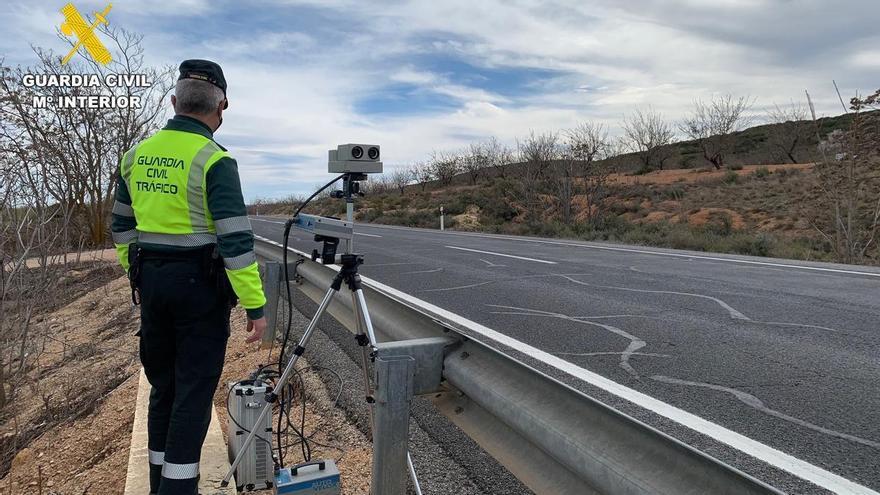
Spain’s traffic authorities are tightening their grip on road safety. Recent data from the Directorate-General for Traffic (DGT) and the Civil Guard shows a clear push to reduce accidents through more frequent monitoring. This has led to a surge in speeding fines; for example, speed cameras in the Canary Islands recorded 113,942 infractions last year, a 10.1% increase.
Spanish law makes a clear distinction between helpful navigation tools and illegal evasion devices. Apps like Google Maps or Waze, which use public data to warn drivers about fixed speed cameras, are perfectly legal. However, using detection or jamming equipment is strictly prohibited. Using a radar detector will cost you 3 points and a 500-euro fine, while using a jammer—designed to block speed measurements—is considered a serious offense, carrying a 6-point penalty and fines of up to 6,000 euros. Notably, the person who installs these illegal devices can also be held legally responsible.
Speeding penalties follow a sliding scale, ranging from 100 to 600 euros and the loss of 2 to 6 license points. Furthermore, extreme speeding is treated as a criminal offense. Exceeding the limit by 60 km/h in urban areas or 80 km/h on open roads is considered a crime against road safety, with specific rules also applying to highways with lower speed limits.
This increased surveillance is part of a broader strategy to discourage risky driving. With more controls in place, authorities emphasize that the only way to avoid fines is to follow the speed limits. The rising number of infractions in places like the Canary Islands highlights that automated traffic control is now the government’s primary tool for keeping roads safe.