
Spain’s Public Mental Health System Criticized for Over-Reliance on Medication
A report from Tenerife highlights systemic failures in Spain's public mental health care, advocating for a shift from medication-focused treatment toward holistic, multidisciplinary support for patients and their families.
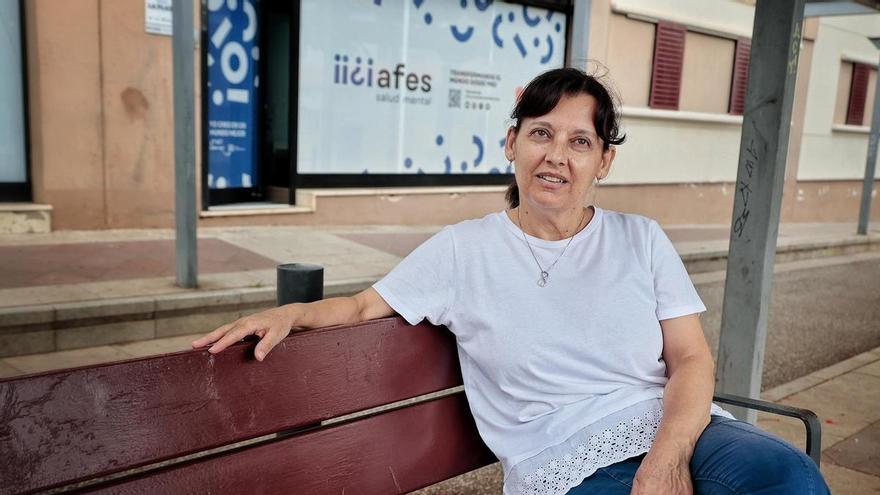
Mental health care in Spain’s public sector is facing a major challenge that goes far beyond simply prescribing medication. A recent report from the newspaper El Día highlights the story of Nieves Herrera, a mother from Tenerife who helped her son overcome a bleak clinical prognosis after a ten-year struggle. Her experience exposes a significant gap in the current healthcare model: while the system focuses heavily on controlling symptoms with drugs, it often fails to provide the comprehensive support patients and their families need to thrive.
Herrera’s family endured three hospitalizations and struggled with the harsh side effects of her son’s medication. Her story points to a systemic failure: a lack of support for loved ones. She explains that the healthcare system often leaves families feeling helpless, relegating them to a passive role while keeping consultations strictly focused on clinical data. Because the public system is often overwhelmed and unable to offer emotional guidance, many families are forced to turn to non-profit organizations like AFES to find the help they need.
Today, Herrera’s son leads a normal, working life—a result that defies the original clinical prediction that he would require lifelong treatment with no hope of recovery. His mother credits this turnaround not just to medication, but to a combination of psychological therapy, cognitive development, and improved communication at home. By shifting the focus from a purely medical approach to a multidisciplinary one, the family was able to turn a crisis into a path toward recovery, proving that the pessimistic outlook initially provided by specialists was not set in stone.
This case highlights a pressing need to make mental health care more human. Concerns regarding the use of physical restraints and the overcrowding of psychiatric wards reflect a reality that human rights experts say must change to better respect patient dignity. Having once relied on support groups herself, Herrera now volunteers to help others, demonstrating how vital community networks are in filling the gaps left by a system that too often relies solely on medication rather than holistic care.