
Spain’s New V16 Roadside Beacons: Rules and Fines Explained
Spanish authorities have clarified that while drivers must carry the new V16 emergency beacon to avoid fines, police will not inspect the device during routine traffic stops.
Since January 1st, the V16 beacon has begun replacing traditional hazard triangles on Spanish roads, leaving many drivers confused about the new rules. Specifically, there is uncertainty regarding whether police officers can demand to see the device during routine traffic stops.
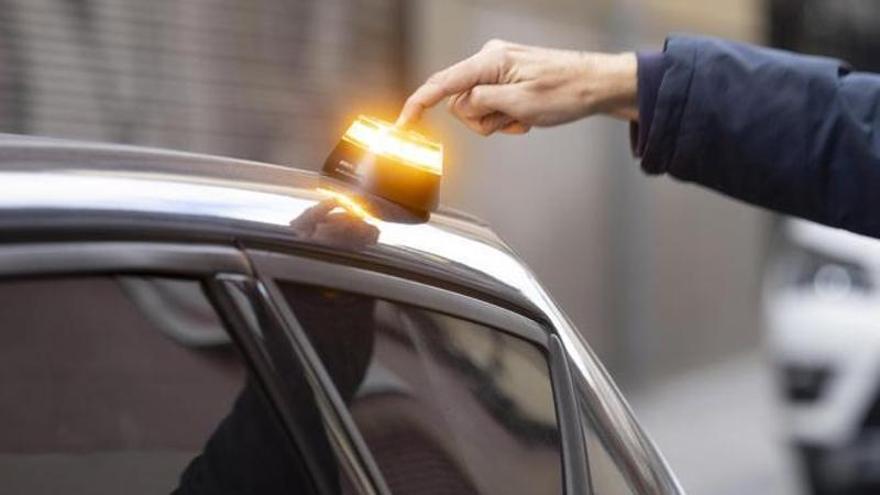
Technically, the V16 is a high-intensity light that flashes 360 degrees. Current regulations require these devices to have built-in connectivity and a battery life of at least 18 months. However, the Directorate-General for Traffic (DGT) has clarified that officers will not check for the beacon during standard stops, as they focus on other safety features instead.
The beacon is part of a road safety initiative designed to prevent accidents. By using the light, drivers no longer need to exit their vehicles to place triangles on the road, which reduces the risk of being struck by passing traffic. While you are not required to show the device during a routine stop, you must use it if your vehicle breaks down or is involved in an accident. Authorities recommend keeping the beacon in an easy-to-reach spot, such as the glove box or a side door pocket.
There is a clear distinction regarding penalties: failing to carry the device carries an 80-euro fine, while failing to signal a breakdown or accident carries a 200-euro fine. In both cases, you can receive a 50% discount if you pay the fine promptly. This transition aims to modernize roadside safety by prioritizing prevention over administrative checks.