
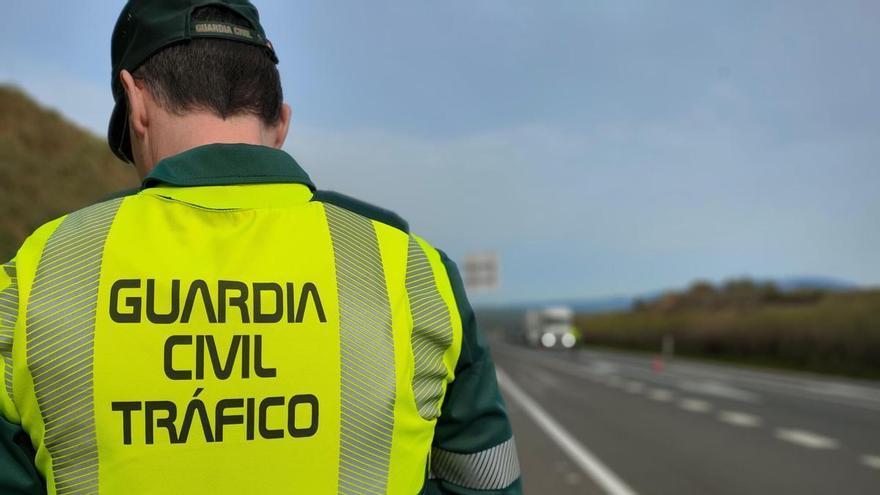
Spain’s DGT Launches Summer Traffic Crackdown Amid World Cup Semifinal
Spain’s Directorate-General for Traffic has launched a nationwide summer surveillance operation, increasing alcohol and drug enforcement as 104 million trips are expected across the country during the peak travel season.
Spain’s Directorate-General for Traffic (DGT) has launched a special surveillance operation for the summer season, with over 104 million trips expected on Spanish roads throughout July and August. The agency is stepping up enforcement immediately to coincide with tonight’s 2026 World Cup semifinal match between Spain and France.
Running until July 19, this operation focuses on detecting alcohol and drug use to reduce accident risks during sporting celebrations. The need for this crackdown is clear: last year, alcohol was a factor in 28% of fatal accidents, resulting in 273 deaths.
Current laws set strict limits for drivers. Most motorists are limited to 0.25 mg/l of alcohol in exhaled air, while novice and professional drivers face a stricter limit of 0.15 mg/l. Exceeding 0.60 mg/l is considered a criminal offense, punishable by six months to a year in prison and a license suspension of one to four years. Refusing to take a breathalyzer test carries the same criminal penalties.
Under reforms introduced in March 2022, there is a zero-tolerance policy for minors. Those riding bicycles, electric scooters, or mopeds up to 125cc are prohibited from having any alcohol in their system. Violating this rule can result in a 500-euro fine and the loss of four license points, where applicable.
Beyond criminal charges, administrative fines for driving under the influence of drugs or alcohol range from 500 to 1,000 euros, along with the loss of four to six license points. With traffic increasing and excitement building for the World Cup, authorities are urging the public to remember that alcohol and driving do not mix, and that any detectable amount of drugs in your system will lead to a penalty.