
Spain’s DGT Introduces New Regulations for Motorhomes and Camper Vans
Spain’s General Directorate of Traffic has introduced new regulations for motorhomes and camper vans, establishing updated vehicle inspection schedules, clarifying parking versus camping rules, and implementing new signage for wastewater disposal.
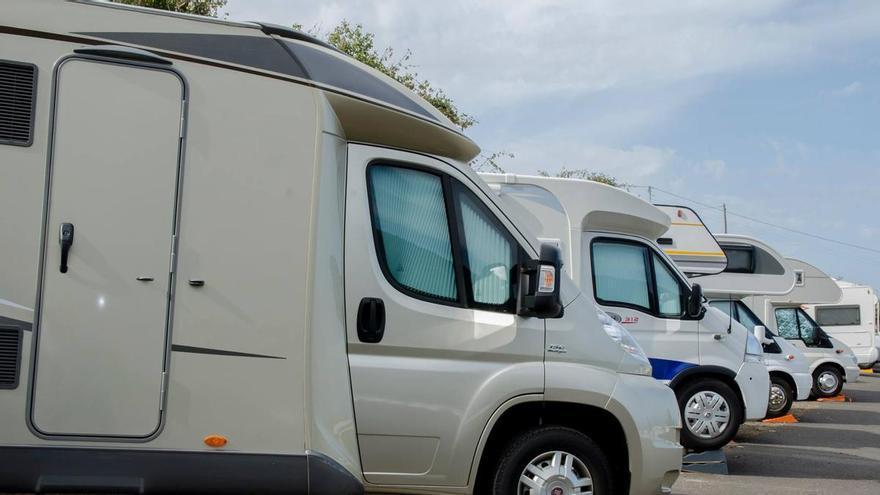
Spain’s General Directorate of Traffic (DGT) has introduced new regulations for motorhomes and camper vans to keep pace with the sector's rapid growth. Since 2015, the number of these vehicles in Spain has tripled to 137,000, as more people choose them for vacations following the pandemic.
The new rules clarify inspection schedules (ITV) and parking guidelines:
Technical Inspections (ITV)
- Motorhomes: The first inspection is required four years after registration. Between four and ten years old, they must be inspected every two years. After ten years, inspections are required annually.
- Camper vans: These face stricter rules, requiring annual inspections for the first ten years and every six months thereafter.
Failing to keep up with these inspections can result in fines of 200 euros for an expired certificate or 500 euros for driving with an unfavorable inspection result.
Parking vs. Camping The DGT clarifies that motorhomes and camper vans can park in public spaces just like any other car, provided they do not extend beyond their footprint (e.g., by deploying awnings or tables). If these items are set up, it is considered "camping," which is subject to different rules. The DGT notes that local councils still have the final say on setting time limits or restricting overnight stays in their areas.
New Signage To better manage the environmental impact of this growing tourism sector, the DGT is introducing the S-128 road sign. This sign will clearly mark designated wastewater disposal points, helping to keep travel routes organized and environmentally friendly.