
Spain’s 2023 Tax Filing Season Opens: Key Rules and Deadlines Explained
The 2023 Spanish income tax season has begun with new filing requirements for those with multiple income sources, self-employed workers, and recipients of specific public subsidies.
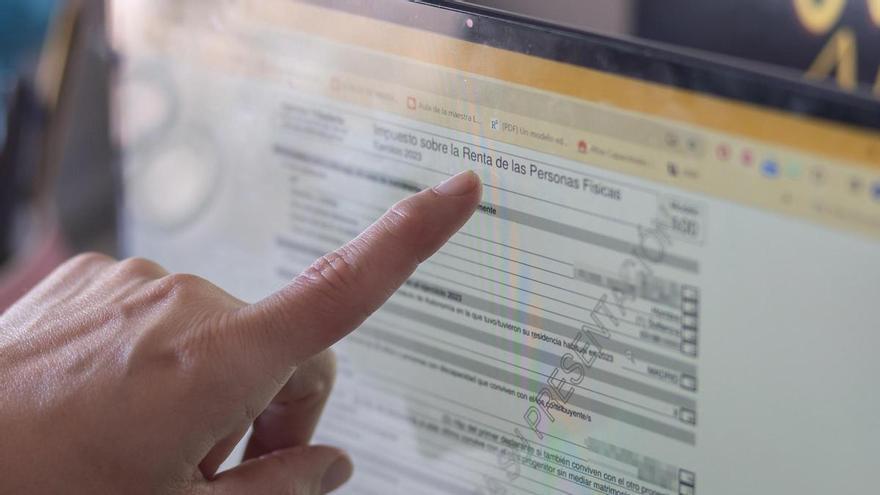
The 2023 income tax season is officially underway, with the filing deadline extended to June 30. As taxpayers begin the annual process, many are once again questioning whether they are required to file. While general income limits are well-known, the Spanish tax system includes specific rules that can be confusing.
Multiple Payers The most common reason for a change in filing requirements is having more than one source of income. While the general threshold for employees is 22,000 euros per year, this drops to 15,000 euros if you have received income from two or more payers—a common scenario for those who have changed jobs, are retired, or have received unemployment benefits. The only exception is if the total amount from the second and subsequent payers is less than 1,500 euros per year; in that case, the 22,000-euro limit still applies.
Self-Employed Workers A major change now requires anyone who has been registered in the Special Regime for Self-Employed Workers (RETA) at any point during the year to file a return. This applies regardless of how much you earned or whether your business made a profit or a loss. This change helps the tax authorities gather the data needed for the new contribution system based on net income.
Other Sources of Income You may also be required to file if you have earned capital gains, dividends, bank interest, or returns on movable capital subject to withholding. Additionally, receiving certain public subsidies—such as the Minimum Vital Income, cultural vouchers, or rental assistance—makes filing mandatory, as these are considered taxable income.
Deductions and Voluntary Filing Some people must file regardless of their income level, such as those claiming deductions for housing, pension plan contributions, or international double taxation.
Given these complexities, tax experts recommend reviewing your tax draft even if you aren't legally required to file. Because companies often withhold more tax than is strictly necessary, filing voluntarily is frequently the only way to claim a refund and recover the surplus paid to the tax authorities.