
Spain Overhauls Traffic Laws With New Rules for Scooters, Cyclists, and Motorcyclists
The Spanish government has approved a major reform to its General Traffic Regulations, introducing stricter safety requirements for electric scooter riders, cyclists, and motorcyclists starting this October.
The Spanish government approved an update to the General Traffic Regulations this Tuesday, marking a major shift in road safety policy. The reform aims to update traffic laws to better manage new forms of urban transport and improve protection for the most vulnerable road users.
New Rules for Personal Mobility Vehicles (PMVs) Starting October 1, riders of electric scooters and similar devices must be at least 15 years old. These vehicles—defined as single-seat electric units reaching speeds between 6 and 25 km/h—must be officially registered and display a badge. Riders are required to wear a helmet, use lights, and wear reflective gear in low-visibility conditions. Riding on sidewalks, in tunnels, or on interurban roads is prohibited, with fines of 200 euros for non-compliance.
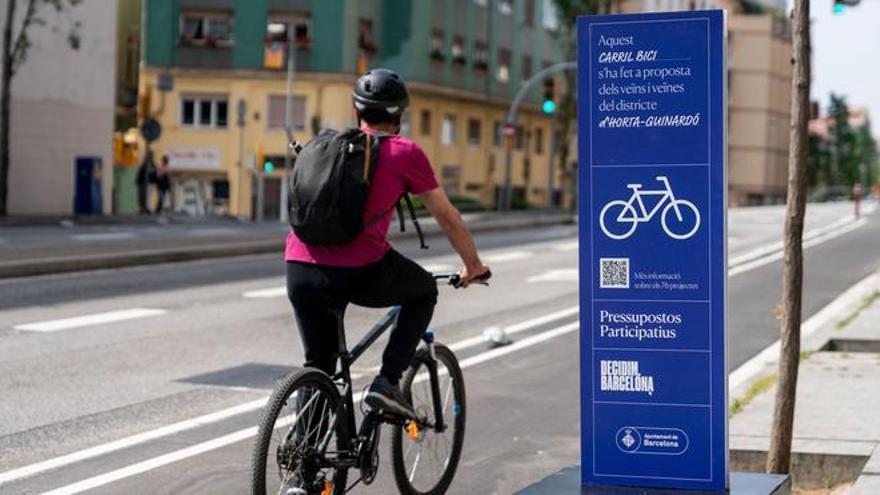
Changes for Cyclists To improve safety, drivers overtaking cyclists must now reduce their speed to 20 km/h below the posted limit. Cyclists are now permitted to ride in the center of the lane in urban areas, and motorists must maintain a minimum safety distance of five meters when following them. Additionally, delivery workers using bicycles are now required to wear helmets and reflective vests.
Updates for Motorcyclists Motorcyclists must now wear gloves on interurban roads and closed-toe footwear on all roads. In exchange, riders may travel on the right shoulder during traffic jams, provided they do not exceed 30 km/h and signage permits it.
Implementation Timeline These changes will be rolled out gradually. While most rules take effect this October, requirements for specific scooter lighting systems and certified motorcycle helmets have been delayed until October 1, 2027. This phased approach is intended to help road users adapt to the new safety standards.