
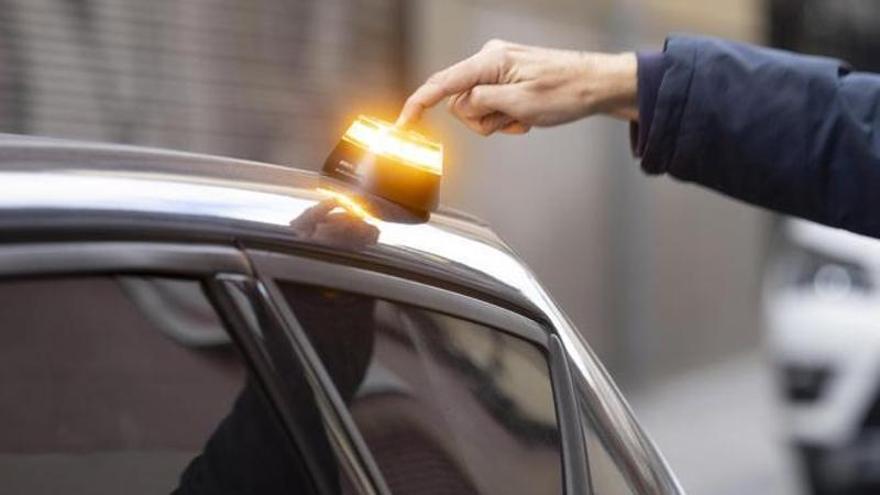
Spain Mandates Connected V-16 Beacons to Replace Warning Triangles
Spain has mandated the use of connected V-16 emergency beacons, replacing traditional warning triangles to improve road safety and allow for faster incident response via the DGT 3.0 platform.
Spain’s move to a new emergency signaling system has sparked significant debate among drivers. The V-16 beacon is now the only legal way to warn others of a broken-down vehicle, marking a major shift away from traditional warning triangles.
The key feature of these new beacons is connectivity. Each device includes an eSIM that links directly to the DGT 3.0 platform. To be legal, a beacon must have this specific certification. If you use a non-certified device, you could face fines ranging from 80 euros for not having the equipment to 200 euros for improper signaling. To ensure you buy the right product, the Directorate-General for Traffic provides a public list of certified models that meet requirements for 360-degree visibility and at least 30 minutes of battery life.
Technically, the system is designed to last, with 12 years of connectivity included in the purchase price. However, it is vital to check the expiration date printed on the packaging and the device itself; once that date passes, the beacon is no longer legally valid. Depending on the model, these devices run on either alkaline or rechargeable lithium batteries, all of which must be able to hold a charge for at least 18 months while in standby mode.
This change is part of a broader effort to improve road safety and reduce accidents involving pedestrians on busy roads. Authorities emphasize that the beacon is only effective if it is easy to reach, so they recommend storing it in the glove box or a side door pocket. By integrating this technology, emergency services can respond to incidents more quickly and accurately, ultimately helping to prevent dangerous situations on the road.