
Spain Implements Stricter Labeling and Transparency Rules for Consumer Goods
Spain’s new Royal Decree 142/2026 mandates stricter labeling and transparency standards for everyday consumer goods to eliminate misleading marketing claims and align with European Union regulations.
Spain’s new Royal Decree 142/2026 introduces significant changes to consumer policy, setting stricter standards for quality and transparency across a wide range of everyday products. While the new rules do not require stores to pull existing stock from shelves, they do force manufacturers to change how they communicate with shoppers.
The reform focuses on ensuring that product labels are accurate. The government is cracking down on vague advertising claims that have historically misled consumers. Terms like "artisan," "traditional," and "natural" will now face strict technical requirements. This prevents companies from using these labels on mass-produced, industrial goods, finally addressing long-standing complaints from consumer groups about misleading marketing.
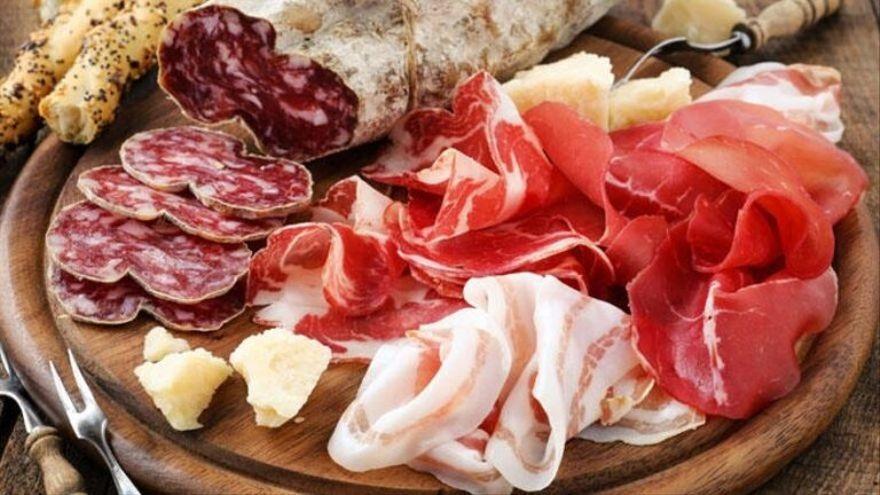
These regulations affect many different industries. In the meat sector, producers of hams and sausages must now provide precise details on ingredients, curing times, and the percentage of lean meat. Companies are also required to provide full traceability, including information on where the animals were raised, what they were fed, and their living conditions. These transparency rules extend beyond meat to include products like olives, pickles, vinegar, cookies, and various beverages.
This update aligns Spain’s regulations with broader European Union guidelines. The goal is to provide shoppers with clear, objective information so they can make better-informed decisions. By raising the bar for labeling and traceability, the government aims to ensure that a product’s marketing accurately reflects its true quality, pushing the industry toward greater honesty.