
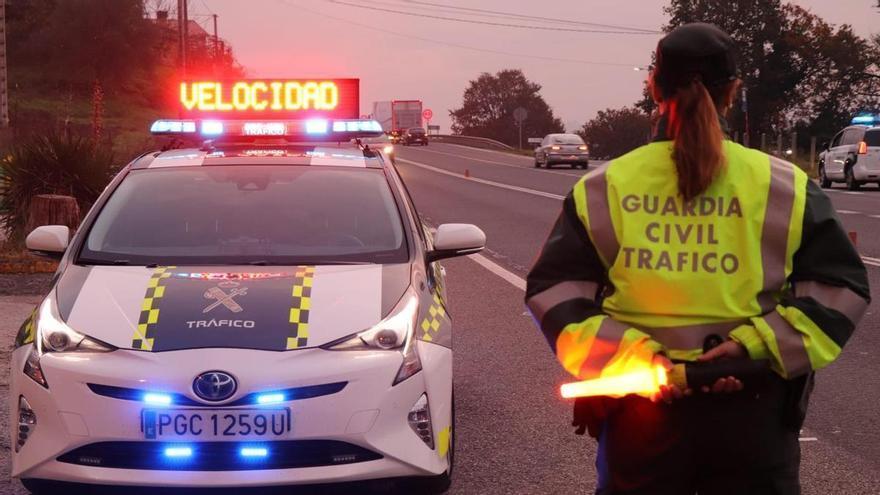
Spain Enforces Stricter Urban Speed Limits to Improve Road Safety
Spanish authorities have reinforced urban speed limits and traffic regulations to improve road safety and reduce accident-related fatalities.
Improving road safety and reducing accidents in cities are now top priorities for the DGT and the Civil Guard. Authorities have stressed that speed is the most critical factor in survival rates during a collision, particularly for vulnerable road users like pedestrians.
Current traffic regulations set clear speed limits for urban areas based on the type of road:
- 20 km/h: For roads where the sidewalk and the street are at the same level.
- 30 km/h: For streets with one lane in each direction.
- 50 km/h: For roads with two or more lanes in each direction.
Local councils also have the authority to lower the 50 km/h limit on specific roads if they believe it is necessary for safety.
Drivers who break these speed limits face fines ranging from 100 to 600 euros, along with the loss of two to six points from their license, depending on the severity of the violation.
On roads outside of cities, the speed limit remains 90 km/h for conventional roads and 120 km/h for motorways and dual carriageways. There are also specific rules for two-wheeled vehicles:
- Cyclists: Can use dual carriageways (unless prohibited) as long as they wear a helmet and do not exceed 45 km/h, but they are not allowed on motorways.
- Mopeds: Are strictly prohibited from using both motorways and dual carriageways.
These regulations aim to create consistent driving standards across Spain to help prevent accidents and improve safety for everyone on the road.