
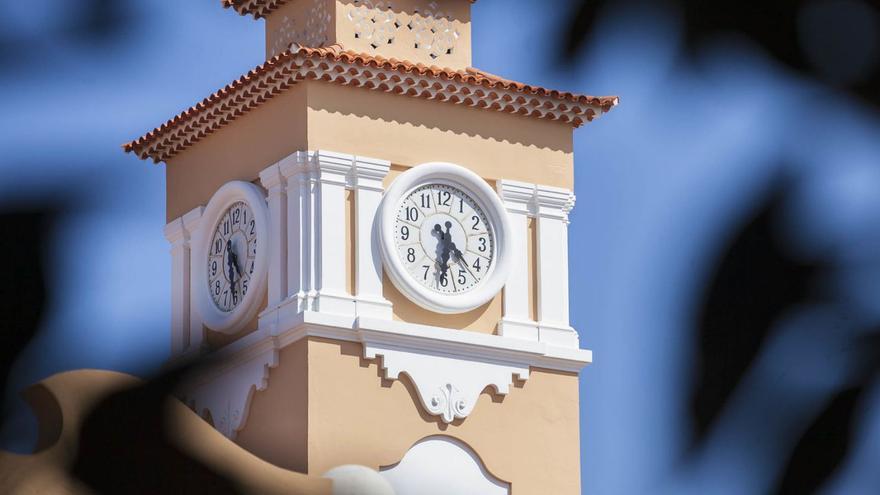
Spain Confirms Bi-Annual Clock Changes for 2026
Spain will continue its twice-yearly clock changes in 2026, moving clocks forward on March 29 and back on October 25, in adherence to current EU rules despite ongoing debate about the practice.
Spain will continue to change its clocks twice a year in 2026, as confirmed by the official calendar published in the Official State Gazette (BOE). This is in line with European Union rules.
The first change, marking the start of daylight saving time, will happen in the early hours of Sunday, March 29, 2026. Clocks will move forward by one hour, meaning a shorter night for everyone.
This summer time period will last for seven months, until Sunday, October 25, 2026. On that day, clocks will go back one hour, marking the return to winter time.
About 70 countries worldwide still change their clocks. The main reason is to make better use of daylight and adjust daily routines to brighter hours. Historically, the idea of changing clocks to save energy is often linked to American diplomat and scientist Benjamin Franklin. He looked into this possibility in the 18th century. While his idea wasn't adopted right away, the practice became common decades later.
Despite its long history and the fact that the EU coordinates it, how effective time changes are at saving energy has been debated a lot recently. Several studies have questioned if it really helps, and concerns have been raised about its possible effects on people's health and well-being. This ongoing discussion has led the European Union to think about stopping the practice altogether. However, they haven't yet agreed on a final decision, so the current system remains in place.