
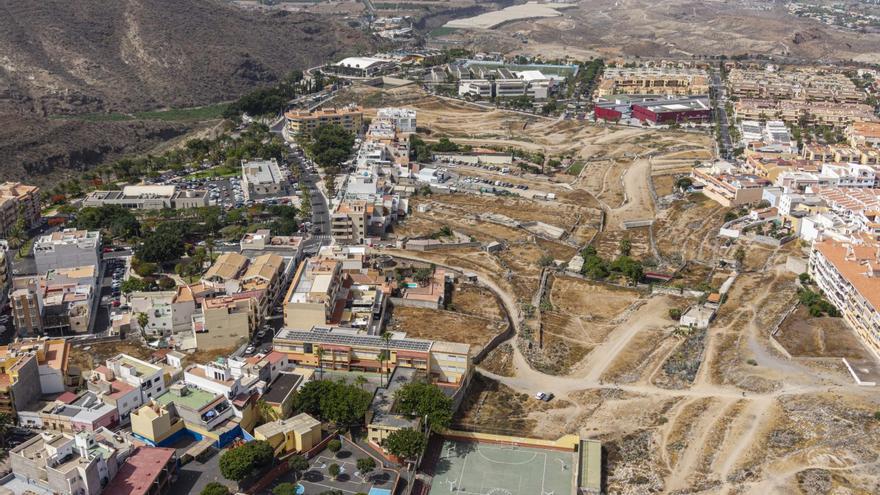
Southern Tenerife Launches €1.4 Billion Expansion to Add 6,200 Homes
Southern Tenerife is set for a major urban expansion featuring over 6,200 new homes and a 1.4 billion euro investment to address the region's long-standing housing shortage and rapid population growth.
After years of administrative delays, the real estate market in southern Tenerife is at a major turning point. According to recent reports from El Día, the region is preparing for a massive urban expansion, with plans to build over 6,200 new homes. This project aims to house roughly 15,000 people, helping to fix the long-standing gap between the limited housing supply and the region's rapid population growth over the last 20 years.
This development represents an investment of more than 1.4 billion euros. While most of the projects are private, 20% to 30% of the new units will be designated as subsidized housing. This is a crucial step toward easing the local housing crisis, which has caused prices to soar and made it difficult for residents to find affordable rentals in tourist-heavy areas.
Arona and Adeje are at the heart of this transformation. In Arona, the long-awaited development of the El Mojón sector—the largest buildable area in the Canary Islands—will finally move forward after 30 years of inactivity, paving the way for 2,200 new homes. Furthermore, the local council has seen a surge in building permits, authorizing 547 homes between February 2025 and June 2026—a significant jump compared to the only five permits issued in the previous five years. Meanwhile, Adeje is moving ahead with its own plans, which include 1,120 new homes and an additional 140 subsidized units in Los Olivos.
The need for this expansion is clear: southern Tenerife is now home to 330,349 people, outnumbering the island’s capital by over 118,000. Since 2000, Adeje’s population has grown by 258%, with San Miguel de Abona, Granadilla de Abona, and Arona also seeing massive increases. Other towns, including Guía de Isora, Santiago del Teide, and Güímar, are also launching their own residential projects to keep up with this demand.
Beyond construction, the real challenge for local officials is keeping up with public services. This scale of growth requires careful planning for essential infrastructure, including water, sanitation, schools, healthcare, and green spaces. The goal is to move past years of bureaucratic gridlock and ensure that this rapid expansion leads to sustainable development that maintains a high quality of life for both new and long-term residents.