
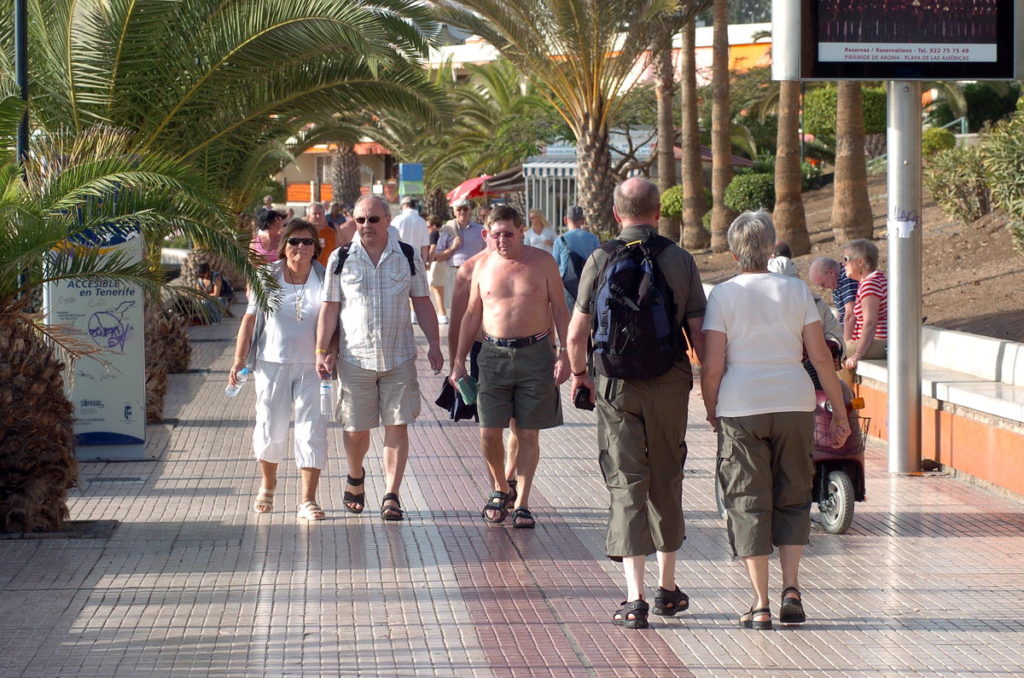
Southern Tenerife Labor Market Stagnates Despite Rising Tourist Spending
Despite a regional rise in tourist spending and seasonal hiring, unemployment in southern Tenerife remains stagnant, contrasting with the broader downward trend seen across the rest of the Canary Islands.
The labor market in southern Tenerife has stalled, bucking the positive trend seen across the rest of the Canary Islands, according to the latest data from the Canary Islands Employment Observatory (Obecan). While unemployment across the archipelago has dropped by 5.5%—a decrease of 8,295 people over the past year—the south of Tenerife remains stagnant. There are currently 16,933 job seekers in the region, almost the same number as the 16,991 recorded twelve months ago.
This lack of progress is notable given the region's heavy reliance on tourism, which hosted nearly five million visitors last year. The sector has been volatile; after April saw the largest drop in foreign visitors since 2019—an 8.3% decline—May saw a slight recovery of 0.53%. More importantly for the local economy, tourist spending rose by 2.44% to €1.555 billion, suggesting that the quality of spending per visitor is becoming more significant than the total number of arrivals.
Hiring picked up as the summer season began, with 10,264 new contracts signed across the 12 southern municipalities in June—an increase of 2,293 compared to May. This growth was concentrated in major tourist hubs: Adeje led the way with 3,999 new hires, followed by Arona with 2,679. Other areas, including Granadilla de Abona, San Miguel de Abona, Guía de Isora, Santiago del Teide, Candelaria, and Arafo, also saw increases.
However, growth remains uneven. While hiring in Vilaflor de Chasna stayed flat, Güímar, Arico, and Fasnia saw small declines in new contracts. This regional disparity highlights a complex market: despite the seasonal boost in hiring, the rise in tourist spending has yet to translate into a meaningful, long-term reduction in unemployment for the region.