
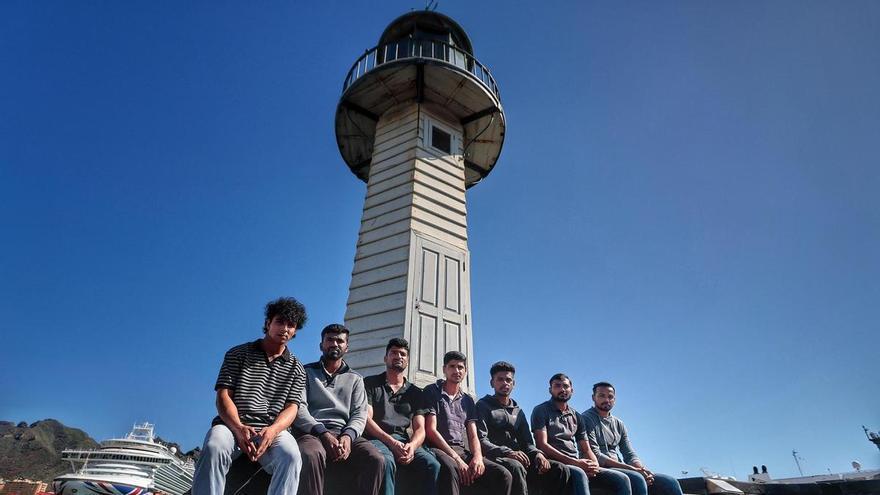
Seven Indian Sailors Stranded in Tenerife Amid Human Trafficking Allegations
Seven Indian sailors are stranded in Tenerife in a state of legal limbo after being coerced into drug trafficking aboard a seized vessel, highlighting a severe case of maritime human exploitation.
Seven Indian citizens are currently stranded in Tenerife, left in a state of legal and social limbo following the seizure of their vessel, the United S. Their situation highlights a disturbing gap in how maritime workers are protected from labor exploitation. The men, aged 20 to 26, are currently on provisional release but are barred from leaving Spain after being found aboard a ship carrying 10 tons of cocaine.
This case goes beyond a simple criminal investigation; it is a clear example of human trafficking. According to the International Transport Workers' Federation (ITF), the men were recruited through an irregular system. Each paid between $4,000 and $6,000 to intermediaries in India, hoping to earn money to pay off family debts, despite having no prior sailing experience. After the ship was sold to a Honduran company in October 2025, the crew faced unpaid wages and coercion. They allege that armed individuals later boarded the ship and forced them to load the narcotics under threat of death.
Since arriving in Tenerife, the men have relied entirely on local support. After being evicted from the seized vessel due to poor living conditions, they were assisted by the Stella Maris organization and later moved to the Casa del Mar. While local authorities have extended their stay at the center until April 6, their future remains highly uncertain.
The sailors’ vulnerability is worsened by a lack of support from their own government; they report that they have received no contact from the Indian Embassy in Spain. While the legal proceedings continue—with six other crew members currently in pretrial detention—these seven men remain in administrative limbo. They have no work permits, no money, and are under immense pressure from their families back home who are still waiting for the income they were promised. The ITF continues to monitor the case, warning that this situation is a stark example of how criminal organizations exploit vulnerable maritime workers, leaving them stranded and abandoned once the law intervenes.