
Senior Volunteers Lead Successful Conservation Initiative at Teide National Park
The "Moving for National Parks" initiative in Teide has concluded, showcasing how a volunteer-led model involving older citizens is effectively supporting the conservation of the Canary Islands' fragile ecosystems.
The "Moving for National Parks" initiative in Teide has officially concluded, marking a significant shift in how Spain manages its natural heritage. The project highlights a growing trend where citizen participation is no longer just a helpful extra, but a core part of conservation efforts. Funded by the Ministry for the Ecological Transition and the Demographic Challenge, the final phase of the project took place between late June and early July.
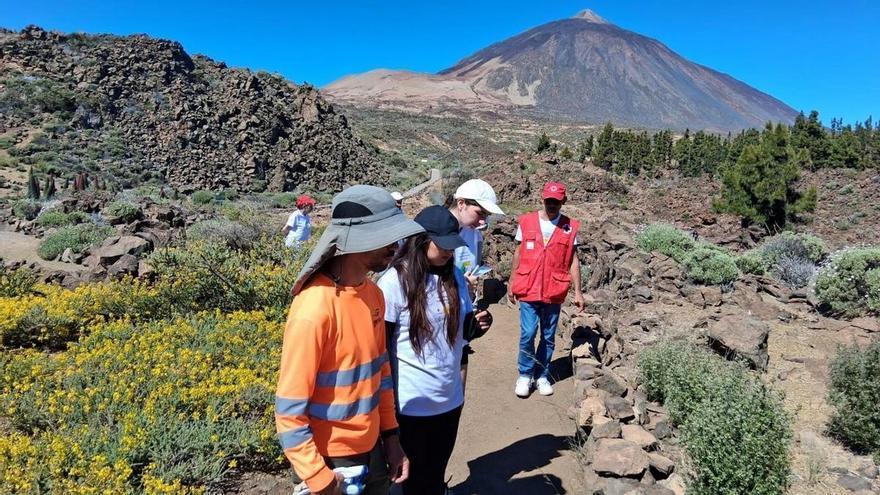
What made this edition particularly notable was the group of 18 volunteers involved. With an average age of over 55—and several participants in their 70s—the program proved that life experience is a powerful asset in protecting the Canary Islands' high mountain ecosystems. This diverse group of locals played a vital role in monitoring the impact of invasive species, such as mouflons and rabbits, in an area that faces constant pressure from high tourism and ecological fragility.
Working alongside the Cabildo of Tenerife and National Park authorities, the volunteers took on specialized tasks. These included collecting seeds from threatened plants for nursery cultivation and maintaining the El Portillo Botanical Garden, a key site for scientific research. To prepare for this work, participants completed a training program designed to help them understand the complexities of island ecosystems and the urgent need to protect genetic diversity.
Since it began in 2013, the project has successfully completed seven editions, becoming a model for the National Parks Network. According to David Legna, who leads the initiative for the Red Cross, the program’s success goes beyond the physical work in the field. It is also about empowering participants to become advocates for conservation within their own communities. In the face of the climate crisis, this collaboration between public agencies and the public is essential for protecting Spain’s most vulnerable natural spaces, turning awareness into real, hands-on conservation.