
Santa Cruz Social Clubs Face Regulatory Crackdown Amid Legal Disputes
Santa Cruz de Tenerife is facing a regulatory standoff as the City Council enforces strict public event standards on historic social clubs, prompting legal challenges from some institutions and cooperative compliance from others.
Tensions are rising in Santa Cruz de Tenerife as the City Council cracks down on historic social clubs to ensure they comply with regional public event regulations. The city is currently reviewing how private clubs follow Law 7/2011, a move that has triggered very different responses from the city’s most prominent institutions.
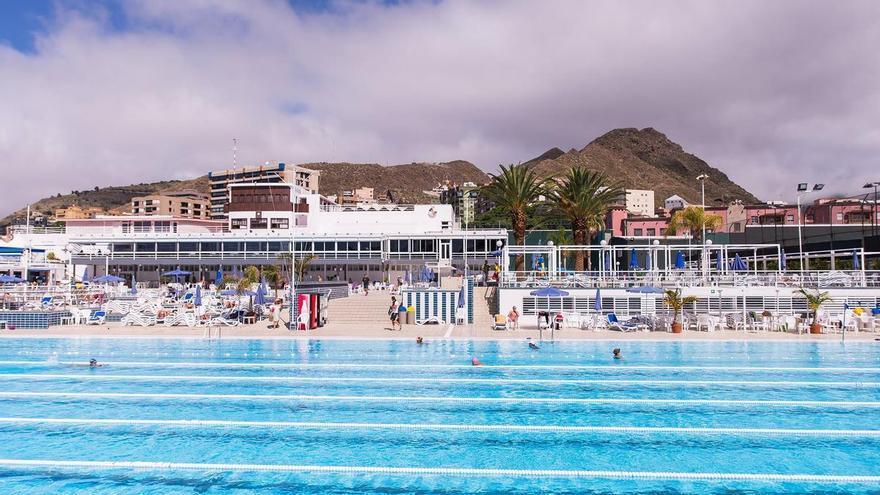
The Real Casino de Tenerife has chosen to fight the city’s demands in court. It recently won a temporary stay, allowing it to continue operations while it challenges an order from the Urban Planning Department to shut down. In contrast, the Real Club Náutico de Tenerife (RCNT) is taking a more cooperative approach. Its president, Andrés Orozco, stated that the club is willing to update its safety and accessibility standards to meet modern requirements, hoping to work with the city to keep its social and sporting events running.
At the heart of the conflict is the interpretation of Law 7/2011, which governs public safety, capacity limits, and noise control. The City Council argues that any event—such as a gala, concert, or catered party—requires specific permits, regardless of whether it is held in a private club. The Real Casino disagrees, arguing that its status as a private, non-profit organization should exempt it from these rules. This disagreement has already led to fines for the Casino over alleged noise complaints during its 185th-anniversary celebrations.
For the RCNT, the situation is a matter of modernization. With a 125-year history and over 4,500 members, the club is known for its high standards of transparency. Its board believes it can honor its long-standing commitment to nautical sports while still meeting today’s legal requirements.
The issue is broader than just these two clubs; the city’s review also affects other local pillars like the Círculo de Amistad XII de Enero and the Tennis Club. For now, the court’s decision to allow the Real Casino to remain open sets a significant precedent. As Santa Cruz tries to balance the legacy of its historic societies with 21st-century regulations, it is becoming clear that open dialogue between the city and these institutions may be the best way forward.