
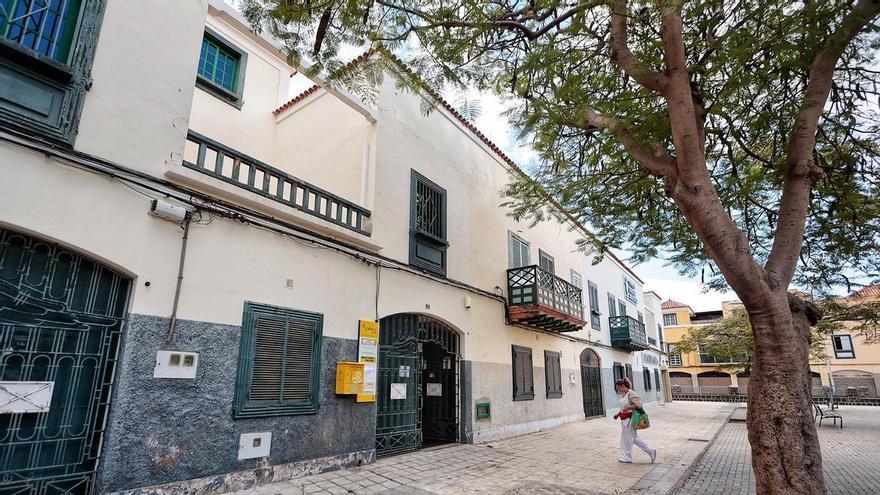
Santa Cruz Residents and Mayor Fight Planned Closure of Historic Post Office
Local residents, supported by the mayor and labor unions, are protesting the planned closure of a historic Correos post office in the García Escámez-Somosierra area, citing the negative impact on the elderly community.
The planned closure of the Correos post office in the García Escámez-Somosierra area on May 29 has sparked a significant institutional dispute. As reported by El Día, local residents have gained the backing of Mayor José Manuel Bermúdez and the CCOO union in their fight to keep the branch open, arguing that its closure would harm the community.
The conflict pits the postal service’s push for operational efficiency against the need to maintain public services for an aging population. The branch, which has served the García Escámez, Somosierra, Miramar, Chamberí, and Buenos Aires neighborhoods since the 1940s, is a vital hub for residents. The City Council argues that moving these services to the Cruz del Señor branch ignores the mobility challenges faced by elderly residents, many of whom struggle with digital services and the area’s difficult terrain.
Union representatives Rosana Vázquez and Asdrúbal González have also raised concerns about service quality. They warn that the Cruz del Señor office will become overcrowded if it absorbs the workload of the closed branch, potentially undermining the very efficiency Correos hopes to achieve.
Correos management maintains that the closure is part of a broader plan to reorganize its network and improve efficiency. The company has stated that staff from the branch will be reassigned to other offices in the capital. However, this has not satisfied the Somosierra Activa neighborhood association, which continues to lead the protests.
The City Council has officially urged Correos to reconsider the decision. The debate has become a central issue in local politics, raising a fundamental question: should economic efficiency take priority over the essential services that have supported these neighborhoods for eighty years?