
Santa Cruz de Tenerife to Protect Seven Times More Heritage Sites
Santa Cruz de Tenerife's City Council has initially approved a new cultural heritage catalogue, expanding protected architectural sites sevenfold from 113 to 787 to safeguard the city's most valuable assets.
Santa Cruz de Tenerife is set to protect seven times more architectural sites, ensuring the preservation of the city's most valuable buildings, urban areas, and engineering works. This follows the initial approval yesterday of a new list of cultural heritage assets by the City Council's Urban Planning Governing Board.
This new list is much longer than the current one, which was part of the 2005 General Urban Development Plan (PGO), particularly for buildings and architectural complexes. The number of protected sites has jumped from 113 to 787 – an increase of 674 heritage assets. Key new additions include Casa Cuna, the Canary Islands Institute of Technology headquarters (formerly Litografía Romero), and the single-story houses on the Rambla de Santa Cruz, which include the historic Conchita tobacconist shop and the properties on either side.
In total, this list includes 1,057 items. Besides buildings and urban spaces, it also covers natural areas of high ecological value. Other newly proposed assets are the Ana Bautista pavilion, the Maritime Station, the Heliodoro Rodríguez López stadium, and the Víctor cinema. Many public and private homes are also on the list.
The Catalogue of Protection of Cultural Heritage Assets is a mandatory document for city councils. It outlines which properties and features have historical value and must be protected. During this approval period, city permits for any items on the list are on hold, except for those needed for upkeep and repairs.
This catalogue applies to the entire capital city, except for Anaga Rural Park and the neighborhoods of Los Hoteles–Pino de Oro, Antiguo Santa Cruz, El Toscal (195), and the public port area, as these areas already have their own specific protection plans. After this initial approval, the Local Government Board will approve the document, and it will then go before the full city council. Before final approval, the public will have one month to review the catalogue and submit any objections. This period is open to both citizens and relevant authorities.
The list was put together after a detailed historical, artistic, and cultural study. This study aimed to understand Santa Cruz's urban development, how its districts developed, the various architectural styles found throughout the city, and to identify works and features of special interest, according to a press release from the municipal Urban Planning department.
The document also includes an analysis of the assets' current condition, identifying potential problems like the age of buildings, lost properties, structural damage, or decay due to neglect. When deciding what to include, factors like authenticity, integrity, historical, symbolic, and artistic value, and how the assets fit into the city's overall look were all considered.
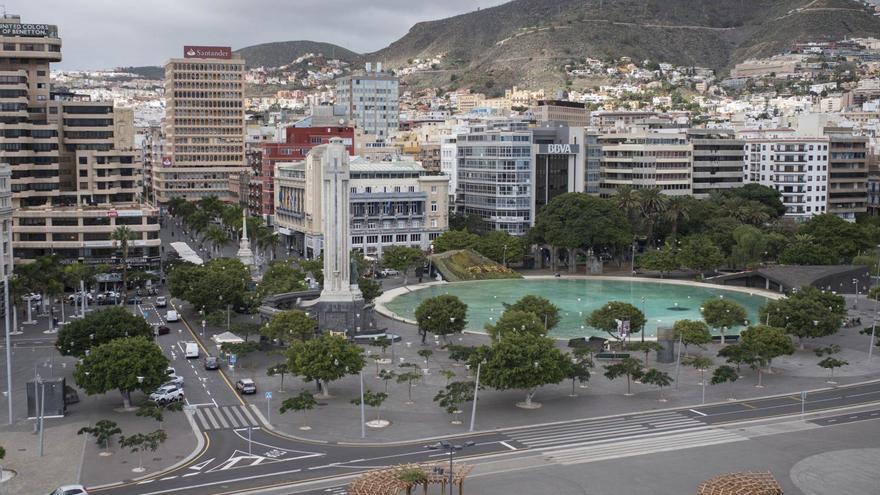
The catalogue covers not only specific buildings and homes but also public spaces already on the current list, such as the Alameda del Duque de Santa Elena, Plaza de España, Plaza de Candelaria, Plaza de San Francisco, Plaza del Príncipe, Plaza de Ireneo González, and Plaza de Weyler.
Santa Cruz de Tenerife's mayor, José Manuel Bermúdez, stressed the importance of this move for the city, stating it aims to "protect our identity and our history." He explained, "This catalogue is a vital tool to ensure Santa Cruz's cultural heritage is preserved with technical precision, legal security, and a clear vision for the future."
Urban Planning Councillor Zaida González called it "a very important milestone for Santa Cruz." She added, "It's an enormous, thorough, and rigorous piece of work, and it's the first time the city has a catalogue based on objective criteria, which provides security to both the City Council and to citizens and property owners."