
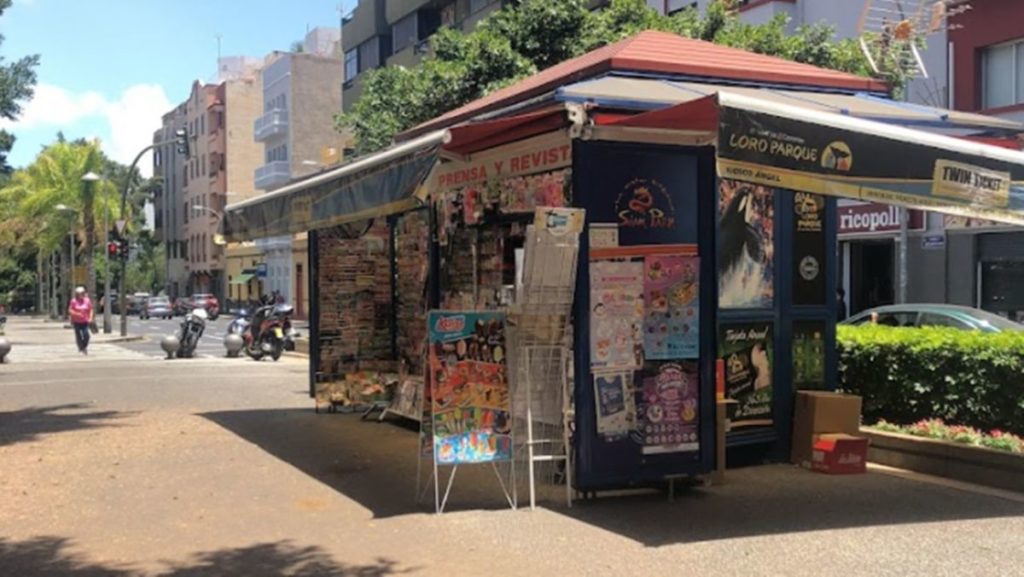
Santa Cruz de Tenerife to Modernize Kiosks Amid Sharp Decline in Traditional Retail
Santa Cruz de Tenerife is modernizing its outdated kiosk regulations to allow for broader retail services after a sharp decline in traditional newspaper stands across the city.
Santa Cruz de Tenerife is seeing a quiet but significant change to its streetscape. As reported by El Día, three of the four kiosks along the route between the Plazas de la Paz and de Toros have closed permanently, marking the end of an era for local commerce. This is not an isolated incident; it reflects a broader struggle facing print media and traditional street-level retail.
The closures are largely due to a lack of new owners. As long-time operators retire, there are few entrepreneurs willing to take over. Most of these kiosks were privately owned, and with no one to manage them, they have been removed. Only the kiosk in front of the Plaza de Toros remains open. This is part of a worrying trend: the number of active kiosks in the city has dropped sharply from 35 last year to a much lower figure today.
Javier Rivero, the Councilor for Municipal Heritage, admits that the city’s 1995 regulations are now outdated. The rise of digital news and strict rules that limited what kiosks could sell have made it difficult for these businesses to survive. To fix this, the City Council is drafting new regulations, expected to launch after the summer, which will give kiosk owners more flexibility.
The goal is to turn these kiosks into modern service hubs. The new rules would allow them to sell items like flowers, souvenirs, packaged food, toys, and coffee. They could also serve as logistics points for parcel deliveries and online shopping. The council is also considering allowing outdoor seating and issuing new licenses, a process that has been stalled for 30 years.
Historically, these kiosks were established in the mid-20th century as a way to support families and bring communities together, evolving from simple wooden carts into the permanent structures we see today. The city’s new strategy aims to modernize these sites, helping them move beyond just selling newspapers and become dynamic service centers that meet the needs of today’s consumers.