
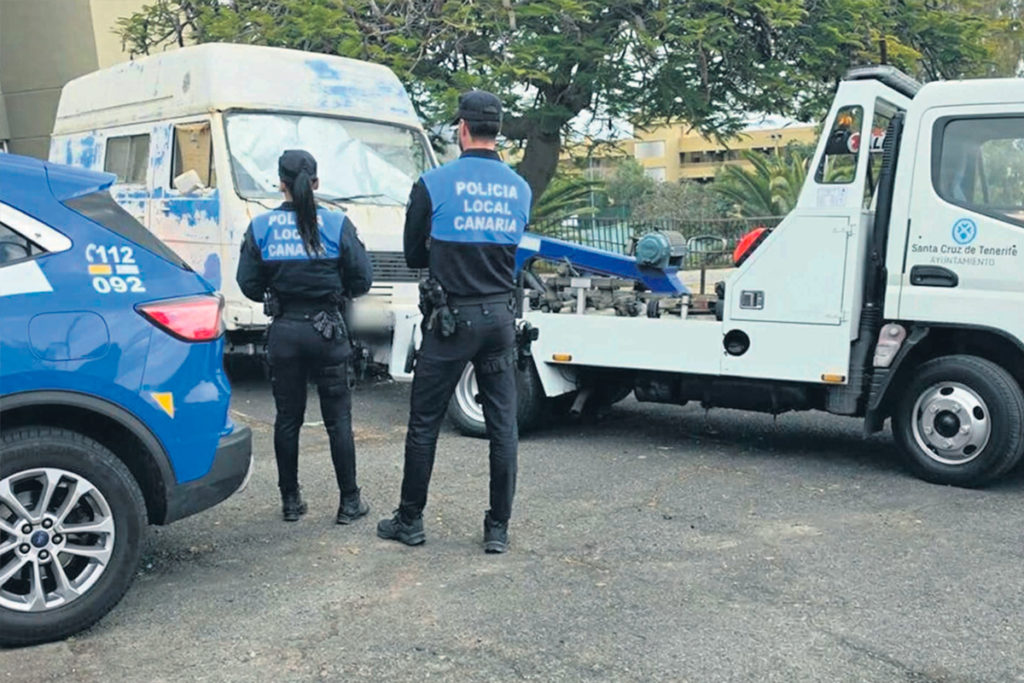
Santa Cruz de Tenerife Tackles Abandoned Vehicle Crisis Through Mediation
Santa Cruz de Tenerife is addressing the issue of abandoned vehicles by prioritizing owner mediation and legal compliance to clear public parking spaces across the city.
Santa Cruz de Tenerife is tackling a growing problem with abandoned vehicles cluttering public streets. To address this, the City Council has ramped up its administrative efforts, managing 1,120 cases involving potentially abandoned cars since the start of 2025. This total includes 807 cases from last year and 313 recorded so far in 2026, as reported by Security Councilor Gladis de León.
The city’s current strategy focuses on mediation rather than immediate fines. By encouraging owners to move their vehicles voluntarily, the council hopes to avoid the lengthy legal process required to officially declare a car abandoned. This approach has successfully cleared 15 parking spaces this year. However, most cases do not end in forced removal, either because the vehicles do not meet the legal definition of abandonment or because owners move them on their own. Currently, only ten cases are in the formal notification stage.
A specialized Local Police unit is managing these efforts, working closely with officers in each district to identify and report abandoned vehicles. All operations must strictly follow the national Traffic Law, which replaced the city’s outdated 1998 ordinance.
Councilor de León emphasized the legal challenges involved, noting that the Traffic Law limits when the city can remove a vehicle. Immediate removal is only permitted if a car poses a safety risk, blocks traffic, or is in a restricted zone. For other cases—such as cars left in one spot for too long, missing license plates, or showing significant damage—the law requires the city to notify the owner before taking any action. Balancing the need to reclaim public space with the protection of private property remains a key priority for the city’s urban planning and mobility policy.