
Santa Cruz de Tenerife Streamlines Building Permit Process for Protected Areas
Santa Cruz de Tenerife is streamlining its urban planning process by assuming authority over minor building permits in protected areas to reduce administrative delays for property owners.
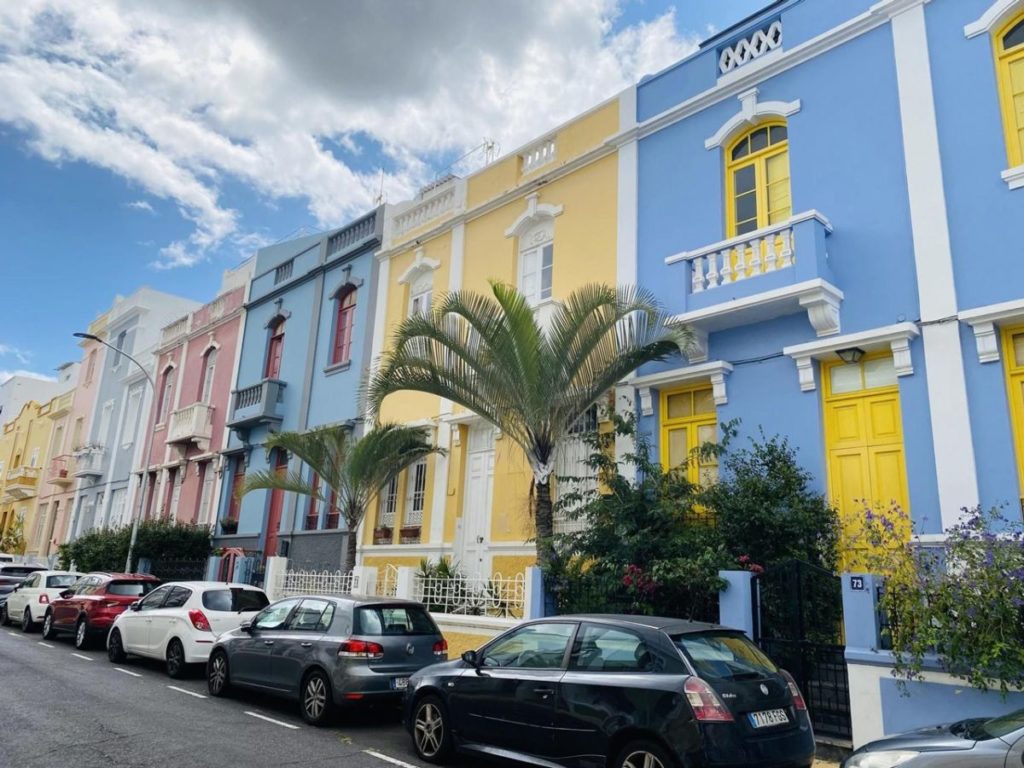
Santa Cruz de Tenerife is changing how it manages urban planning to speed up the approval process for building permits in protected areas. The City Council is taking over responsibilities previously held by the Island Council (Cabildo), aiming to cut down the long wait times for property owners in historic districts and areas designated as Sites of Cultural Interest (BIC).
This shift, which will be finalized at the next municipal meeting, addresses long-standing complaints about the "bottleneck" caused by sending every application to the island’s Historical Heritage department. Urban Planning Councilor Zaida González expects the change to save applicants between two weeks and a month by removing the need for external reports.
This new authority applies only to buildings constructed after 1960. Municipal technicians can now directly approve interior renovations, roof and carpentry repairs, and facade painting, provided the colors remain neutral (white, gray, or beige). The rules also make it easier to install solar panels on non-historic roofs, as long as they aren't visible from the street, and simplify the process for changing how a property is used if no major construction is required.
The City Council will also have more control over public spaces. They can now directly authorize road work, the placement of outdoor seating for hospitality businesses—following specific aesthetic guidelines—and the use of public areas for events, film shoots, or temporary structures.
The Urban Planning department stressed that this does not mean heritage protection is being ignored. Instead, the city is taking responsibility for overseeing minor projects that do not threaten protected historical features. This initiative, developed throughout 2024, is designed to make the local administration more efficient while balancing the preservation of the city’s history with the need to support economic and residential growth in the capital.