
Santa Cruz de Tenerife Port Pivots to Become Mid-Atlantic Energy Hub
The Santa Cruz de Tenerife Port Authority is transforming into a leading mid-Atlantic energy hub by expanding its LNG refueling capabilities and investing in green infrastructure to meet rising demand for sustainable maritime operations.
The Santa Cruz de Tenerife Port Authority is shifting its business model, aiming to transform from a traditional port of call into a leading energy hub for the mid-Atlantic. During this week’s Supply and Sustainability Forum at the Canary Islands Oceanographic Center, officials explained that they intend to leverage current geopolitical shifts and new maritime regulations to spearhead the transition to alternative fuels.
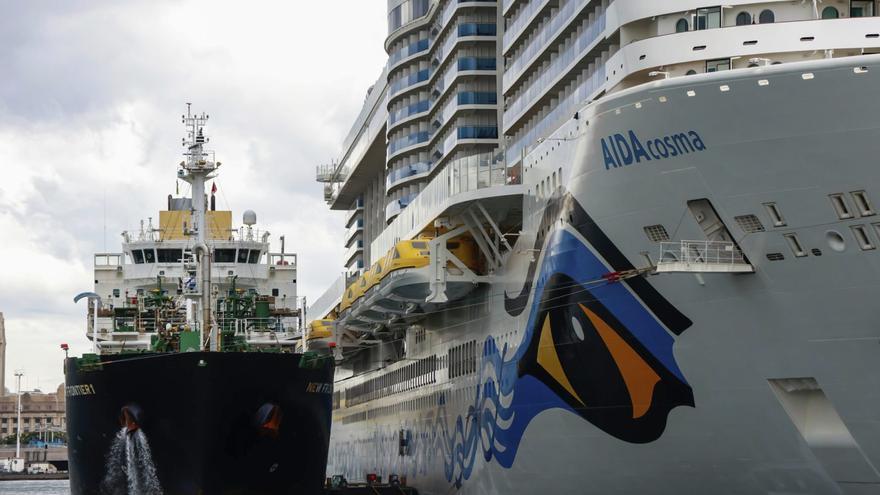
This strategic move comes as instability in the Middle East forces shipping companies to rethink their routes and optimize technical stops. Tenerife has emerged as a competitive alternative, particularly for Liquefied Natural Gas (LNG) refueling. Since the port’s first ship-to-ship LNG supply operation in 2018, activity has grown steadily. Carnival Corporation, a major industry player, has already refueled eight of its eleven LNG-powered ships in Tenerife, totaling over 60,000 tons of fuel by mid-March.
The port’s primary strength is its operational reliability. With an annual success rate of nearly 98%, the port remains functional even in poor weather, thanks to its protected anchorage, natural shelter from winds, and constant oversight from its Service Control Center. This efficiency has earned the trust of international operators like Shell, which has completed 70 to 80 services there over the last eight years, and Enagás, which continues to invest in the region’s regasification and green energy infrastructure.
The increase in LNG demand is clear: the port recorded 12,200 tons in 2024 and expects to reach 18,000 tons in 2025—a 47% year-on-year increase. To support this growth, the Port Authority plans to expand the East Dock by 120,000 square meters and develop the Granadilla dock as a strategic reserve. Granadilla is set to become an industrial hub, handling everything from bulk cargo and ship repairs to green hydrogen and ammonia projects.
Beyond fuel, the port is committed to decarbonization through an ambitious 60-million-euro electrification plan. This project will introduce shore-to-ship power connections, a technology already tested in La Gomera and La Palma. Combined with plans for a "green corridor" between Tenerife and Huelva, these initiatives aim to reduce emissions and ensure the port stays ahead of strict European environmental regulations.