
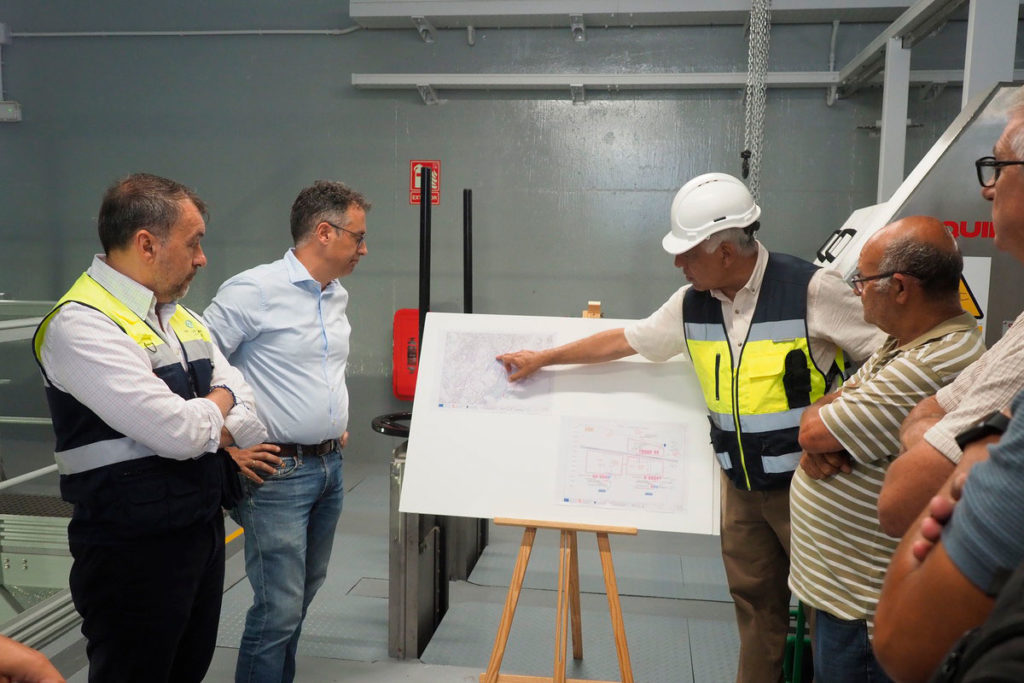
Santa Cruz de Tenerife Opens €7.1 Million Wastewater Pumping Station to Protect Coastline
Santa Cruz de Tenerife has inaugurated the €7.1 million Los Alisios Wastewater Pumping Station, a key infrastructure project designed to eliminate untreated coastal discharges and support the city's "Zero Discharge Plan."
Santa Cruz de Tenerife has reached a major milestone in upgrading its sanitation network with the opening of the new Los Alisios Wastewater Pumping Station. Announced by the City Council and the municipal water company, Emmasa, the €7.1 million project is a key part of the city’s "Zero Discharge Plan," which aims to protect the coastline by centralizing water treatment.
The new facility is designed to handle the area's growing population while improving the system's reliability. It will collect wastewater from neighborhoods including Acorán, Añaza, Los Alisios, and Santa María del Mar, sending it to the Buenos Aires treatment plant. This process is essential to stopping untreated water from being discharged into the sea.
Mayor José Manuel Bermúdez highlighted the project as a significant step in the city’s environmental goals, noting similar progress in areas like Anaga, Taganana, and Igueste de San Andrés. However, he noted that the plan’s final success depends on the national government completing planned expansions at the Buenos Aires treatment plant.
Public Services Councilor Carlos Tarife noted that total investment in the area has now surpassed €14 million. This includes the new pumping station and upcoming work in Acorán and Añaza, which is expected to be finished this September. These projects are part of a broader effort to expand the sanitation network across the city, including Valleseco and Barrio Nuevo, addressing long-standing requests from local residents.
The project also includes improvements to the area surrounding the station. By adding benches, a pergola, and a viewpoint, the city has transformed a functional industrial site into a welcoming public space. This approach reflects a growing trend of integrating essential infrastructure into the urban landscape to minimize visual impact and provide new amenities for the community.