
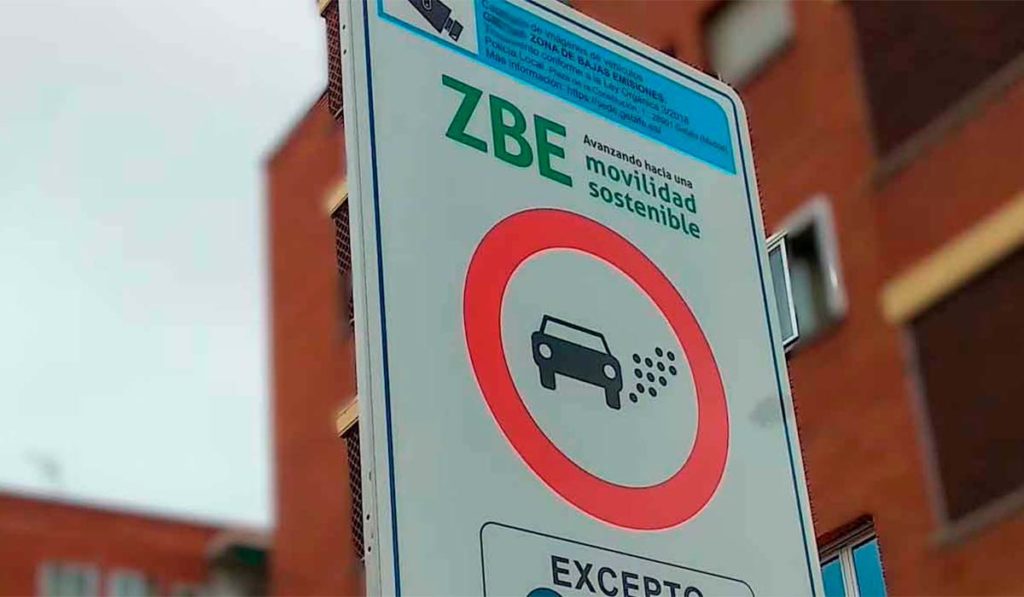
Santa Cruz de Tenerife Launches Public Consultation for 2029 Low Emission Zone
Santa Cruz de Tenerife has launched a public consultation for its EU-funded Low Emission Zone, which will restrict the most polluting vehicles starting in 2029 with a three-year grace period before fines are enforced.
Santa Cruz de Tenerife is preparing for a major change in how people get around the city. The City Council has officially launched the public consultation process for its new Low Emission Zone (LEZ), which is set to begin in 2029. The project is largely funded by the European Union, which is contributing 1.2 million euros of the total 1.4 million euro investment to help the city meet environmental and noise reduction standards.
To make the transition easier, the city will introduce the rules in stages. For the first three years, there will be no fines. Starting at the 18-month mark, drivers will receive warning notices if they enter the zone with a restricted vehicle. Once this grace period ends, fines will start at 200 euros, with a 30% increase for repeat offenders.
The new zone covers the area between the Santos ravine, Avenida de Anaga, and the streets of Méndez Núñez and San Isidro. Within this area, the most polluting vehicles—gasoline cars registered before 2001 and diesel cars registered before 2006—will be banned from 7:00 a.m. to 8:00 p.m., Monday through Saturday. The city will monitor traffic using cameras equipped with license plate recognition technology.
There will be exceptions to these rules to support essential services and vulnerable residents. Exemptions are available for low-income individuals, caregivers for residents in the area, and vehicles needing access to private garages, repair shops, pharmacies, or medical centers, provided they are registered in the city’s electronic system.
Currently, about 26,600 vehicles pass through this area daily, many of which do not have an environmental label. The city expects that after ten years, the number of highly polluting vehicles in the zone will drop by 1% to 5%. By offering flexible permits and temporary authorizations, the council aims to protect local businesses and families while moving toward a more sustainable city.