
Santa Cruz de Tenerife Launches €220,000 Consumer Voucher Program to Boost Local Trade
The Santa Cruz de Tenerife City Council has launched a 220,000-euro consumer voucher program to stimulate local commerce and provide back-to-school savings for families.
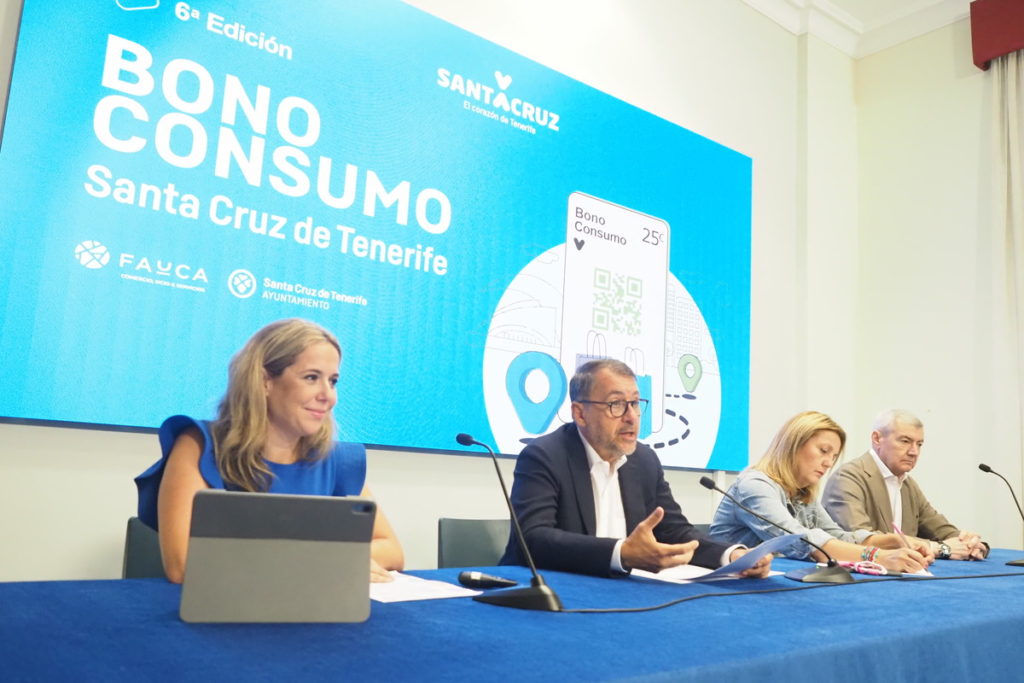
The Santa Cruz de Tenerife City Council has launched a new round of its consumer voucher program, investing over 220,000 euros to boost the local economy. Organized by the Development Society and the Federation of Urban Areas of the Canary Islands (Fauca), the initiative aims to help families save money before the new school year while supporting local shops during a typically quiet season.
Running from August 4 to November 2, the program features a new, higher municipal subsidy that now covers 40% of each voucher's value. The city will issue 20,800 vouchers worth 25 euros each, with the goal of generating 520,000 euros in local spending. Vouchers are distributed by district, with the most commercial areas receiving the largest share: Centro-Ifara (7,500), Salud-La Salle (4,400), Suroeste (2,200), Ofra-Costa Sur (1,500), and Anaga (400).
There are two ways to use the vouchers:
- General Vouchers: 16,000 units are available for retail and dining. Users pay 15 euros for a 25-euro voucher, with a limit of four per person.
- Sunday Vouchers: 4,800 units are available at a 50% discount, meaning users pay 12.50 euros. Shoppers can buy up to two per Sunday, with a total limit of six throughout the campaign.
Businesses can sign up to participate via the official website starting July 16.
This program comes amid ongoing debates about business hours in the capital. The Trade Board is still struggling to reach a consensus on whether to expand the "Large Tourist Influx Zone" (ZGAT) to allow large retailers in Cabo Llano to open on Sundays. While the city government says negotiations are ongoing, the issue remains at a standstill due to disagreements between small business owners and large retail operators, highlighting the difficulty of balancing competition with the protection of traditional local trade.