
Santa Cruz de Tenerife Heritage Protection Plans Face 12-Year Delay
Santa Cruz de Tenerife’s efforts to protect its historical heritage face a twelve-year delay due to administrative backlogs, failed tenders, and evolving legal requirements.
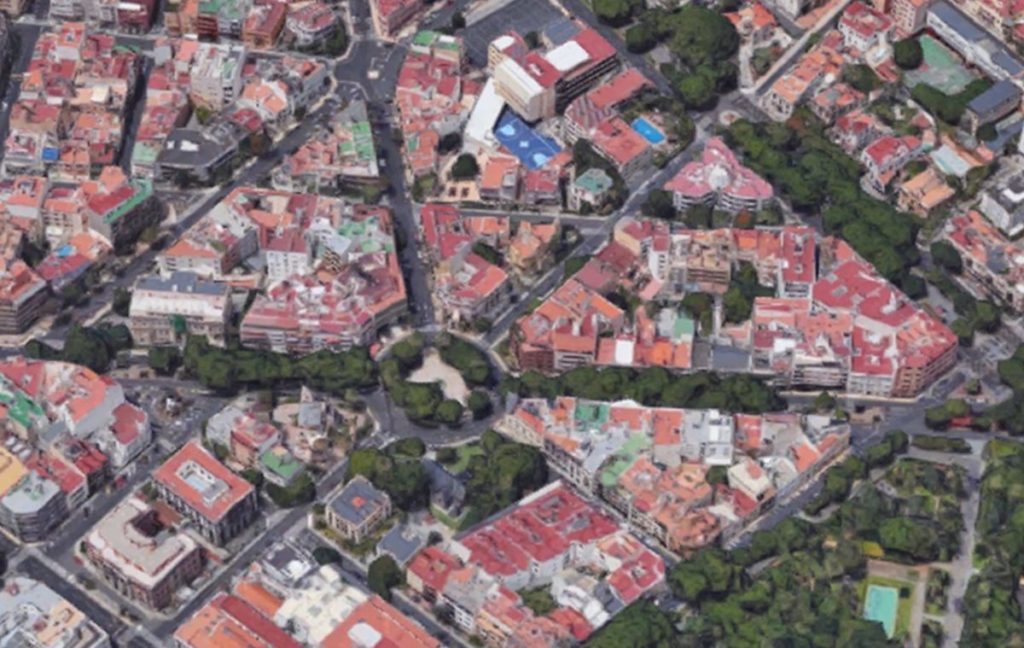
Administrative delays in protecting historical heritage in Santa Cruz de Tenerife have reached a new low. During a recent municipal oversight commission, Councilor for Urban Planning Zaida González confirmed that special plans to safeguard the Barrio de los Hoteles-Pino de Oro and the Old Santa Cruz area are now twelve years behind schedule. This significant backlog highlights the City Council's ongoing struggle to manage the city's architectural legacy.
The stagnation began in 2014 due to a mix of operational and legal challenges. According to the Planning Department, the team has been overwhelmed, forcing them to prioritize other projects like the General Plan and the Protection Catalog. Furthermore, the process has been hampered by changing regional land and heritage laws, as well as the expansion of the protected area in the Barrio de los Hoteles, which now extends to the bullring. These changes ultimately forced the city to cancel contracts with the original drafting teams.
Recent attempts to restart the projects have also failed. A 2021 tender for the Barrio de los Hoteles-Pino de Oro was canceled after the submitted work failed to meet technical standards, while the tender for Old Santa Cruz attracted no qualified candidates.
In contrast, the special plan for El Toscal has been active since 2023. The Urban Planning Department is currently cataloging properties there, with eight homes already inspected and five more files under review. Additionally, the Council is pursuing expropriations on Calle San Martín for a new underground parking facility and is planning to acquire the annex pavilion near Casa Pisaca.
This situation reflects a common issue in Canary Islands capitals: the difficulty of balancing strict heritage regulations with the limited technical capacity of local government. While the Urban Planning Department intends to resume work by using existing documentation and outside help, the city’s historical areas remain without the regulatory protection they need.