
Santa Cruz de Tenerife Faces Gap Between Homelessness Data and Public Concern
Santa Cruz de Tenerife officials are defending their homelessness reduction programs as public concern persists over the visibility of individuals with severe mental health issues and rising neighborhood insecurity.
Santa Cruz de Tenerife is facing a disconnect between its official homelessness statistics and the public’s growing sense of insecurity.
During a recent municipal meeting, Social Policies Councilor Charín González reported that 86 people have moved off the streets so far this year. Of those, 51 have transitioned into stable housing—such as shelters or supervised apartments—while 35 have moved from informal settlements into municipal facilities.
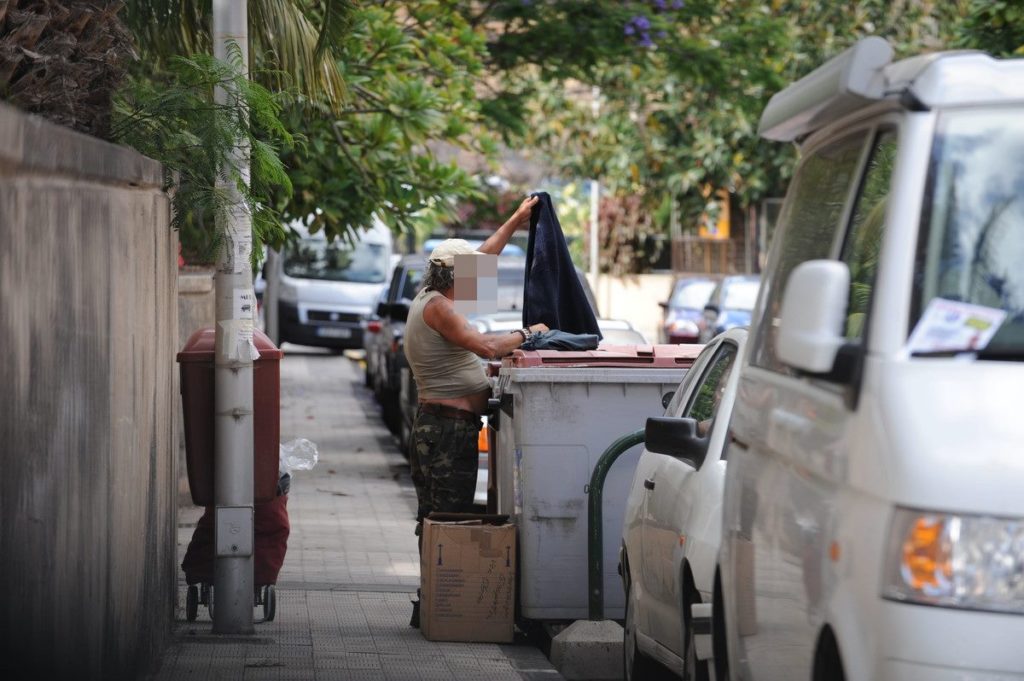
While the local government points to these figures as proof that their programs are working, the public remains concerned. The councilor acknowledged that even though the overall number of homeless individuals has dropped, the high visibility of people struggling with severe mental health issues continues to create a perception of neglect. These cases are particularly difficult to manage due to legal and technical complexities.
The political debate, initiated by the PSOE, underscored the limits of the City Council’s authority. González explained that the local government cannot force individuals into care without approval from the Public Prosecutor’s Office. She emphasized the need for better coordination between the City Council, the Canary Islands Health Service, the Island Council, and the regional government. Socialist spokesperson Patricia Hernández cautioned against punitive measures, arguing that fighting poverty should not come at the expense of fundamental human rights.
The City Council maintains that it invests more in this issue than any other municipality, citing the successful reduction of the Pancho Camurria settlement as a key achievement. However, officials admit that social tension and prejudice against the poor remain significant challenges that require more than just providing housing.
The meeting also addressed concerns about vandalism in the Somosierra district. Councilor Gladis de León assured residents that surveillance efforts would continue, noting that the deployment of the Police Intervention Unit (Unipol) by the end of the year should help restore peace to the neighborhood.