
Santa Cruz de Tenerife Faces Billing Challenges Amid 50% Waste Tax Hike
Santa Cruz de Tenerife has launched its second tax collection period featuring a 50% increase in waste fees to comply with national regulations, despite facing administrative challenges and technical errors during the rollout.
Santa Cruz de Tenerife has launched its second tax collection period, highlighting the administrative challenges the City Council faces in complying with new national waste regulations. Running until November 23, this period covers both the Economic Activities Tax (IAE) and a waste collection fee that has seen a 50% price hike.
This increase stems from Law 7/2022, which requires municipalities to charge taxpayers the full cost of waste management, preventing cities from covering service deficits with their own budgets. To meet these requirements, the city has overhauled its billing system, now using variables like property values and population density to calculate fees, which has led to more varied bill amounts for residents.
The rollout has faced controversy due to an IT error in the Finance Department. Councilor José Alberto Díaz Estébanez explained that a configuration mistake caused the system to send out settlement notifications instead of the intended informative notices. Despite this, the city has already collected six million euros—about 35% of the total expected amount—as of September 1. Officials noted that the complexity arose from having to build a new technical system from scratch to handle the updated criteria.
To help residents manage the financial impact, the City Council expects total revenue from this fee to reach 15.7 million euros, a nearly 60% increase. To ease the burden, the city delayed sending individual settlement notices until September 20, giving families more time to prepare. These will be sent via mail or the city’s online portal.
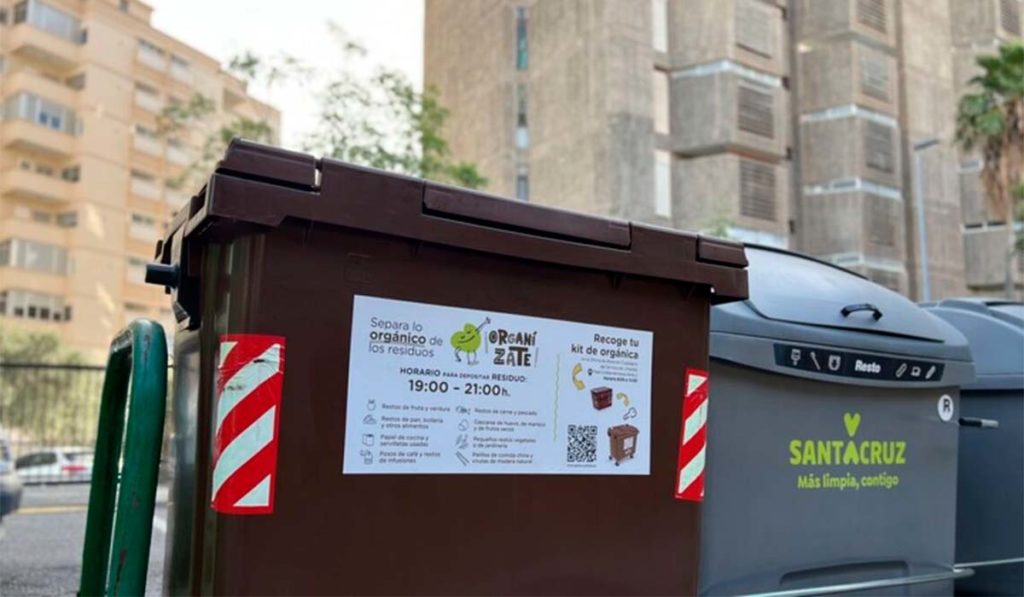
Looking ahead, the City Council plans to introduce tax breaks to soften the impact. These will be based on factors such as household income, proximity to waste collection points, the use of organic waste bins, and how properties are used. These measures aim to balance strict national legal requirements with the financial realities of local citizens.