
Santa Cruz de Tenerife Carnival Faces Scheduling Shake-Up Over Venue Conflicts
Santa Cruz de Tenerife is considering delaying its upcoming Carnival to January 22 to resolve venue conflicts caused by the delayed dismantling of the Children’s and Youth Park.
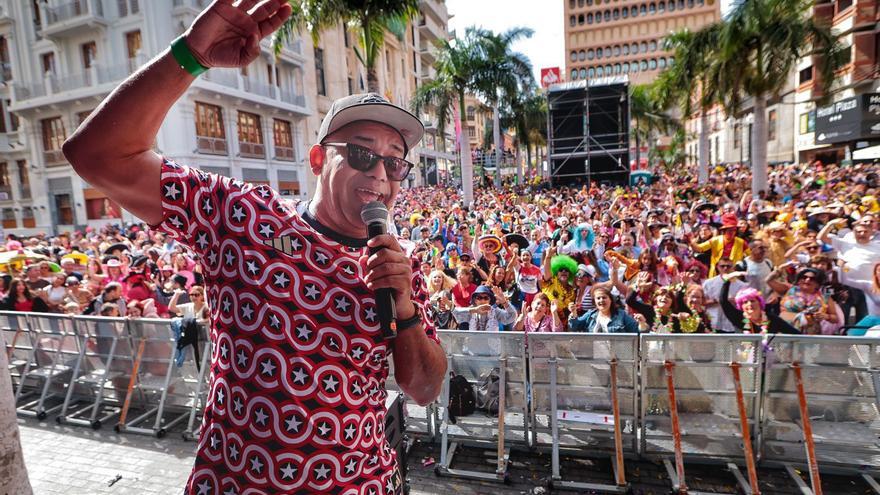
The Santa Cruz de Tenerife Carnival is facing a major scheduling shake-up. According to the newspaper El Día, city officials are considering moving the start of the upcoming festival because they cannot meet the traditional dates. The main issue is a conflict with the Children’s and Youth Park (PIT); because the park takes longer to dismantle at the exhibition center, crews won't have enough time to build the stage for the carnival’s galas and competitions.
The City Council is currently leaning toward pushing the start date to January 22, with competitions beginning on January 29. While this solves the space issue, it creates a ripple effect for other towns on the island. Because local performance groups often travel between municipalities, any change in Santa Cruz forces other towns to reorganize their own schedules to avoid conflicts.
Despite these changes, the impact won't be felt everywhere. In La Palma, organizers have confirmed that Los Indianos will still take place on February 8, as it is tied to the liturgical calendar. Mayor José Manuel Bermúdez has stressed that this delay is a one-time fix, with the goal of returning to the normal schedule by 2028, provided the local government remains stable.
Javier Caraballero, head of the Department of Festivals, hopes to use this change to improve the program. The city wants to address requests from musical groups that have been unhappy with their scheduling in recent years. The current proposal suggests moving the adult murgas (satirical singing groups) to a Sunday-through-Wednesday schedule, which would allow the musical ensembles to return to their traditional Saturday slot.
While this is a significant change, it isn't the first time the festival has been forced to adapt. The pandemic previously pushed the event to June, and there have been other instances earlier this century where scheduling conflicts—such as international congresses—required a shift in dates. The current challenge for organizers is to manage a tighter schedule while balancing technical needs, the requests of performers, and the coordination required to keep one of Spain’s most important celebrations running smoothly.