
Santa Cruz de Tenerife Boosts Participatory Budget to €2.4 Million Amid Bureaucratic Delays
Santa Cruz de Tenerife has increased its participatory budgeting fund to 2.4 million euros, though the city continues to struggle with bureaucratic delays in completing the selected neighborhood projects.
Santa Cruz de Tenerife’s participatory budgeting program has reached a significant milestone in its ninth year. According to the City Council, this direct democracy initiative—which lets residents help decide how public money is spent—is growing in both popularity and funding. However, the city still faces the challenge of cutting through red tape to get projects finished on time.
The City Council has boosted the budget to 2.4 million euros, a 50% increase from the last cycle. This funding is split equally, with 400,000 euros allocated to each of the city’s five districts, plus a special "City Line" fund for cultural, heritage, and educational projects. Public interest is also rising: 1,512 people cast 14,070 votes this year, a 16.6% increase in turnout.
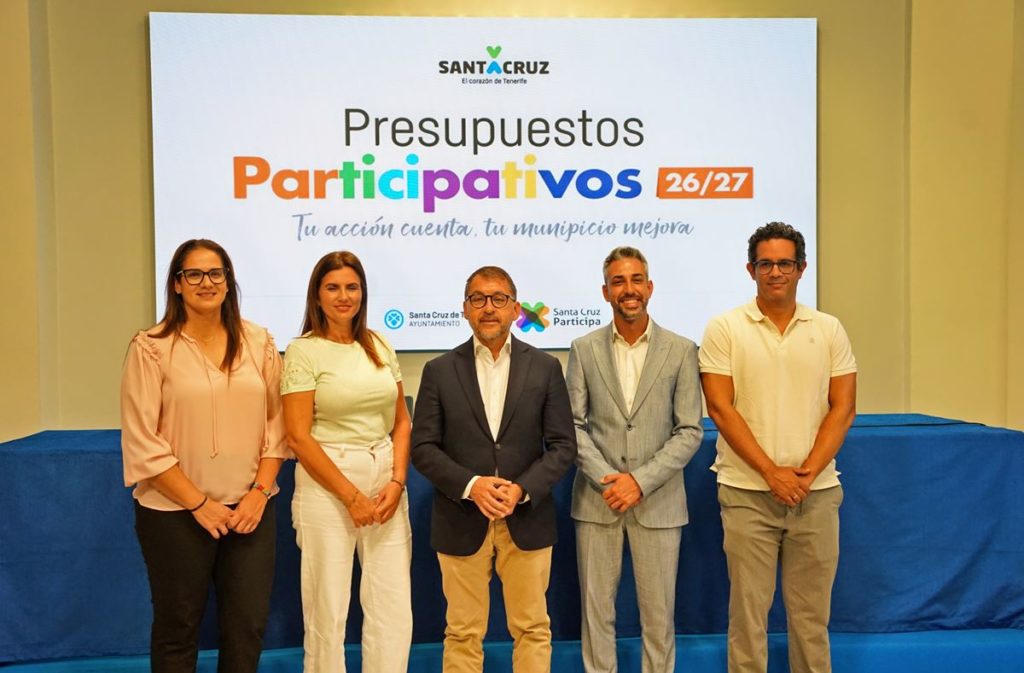
Mayor José Manuel Bermúdez and councilor Javier Caraballero confirmed that 108 of the 249 finalist proposals were selected. While some districts, such as Ofra-Costa Sur and Salud-La Salle, saw a surge in neighborhood involvement, the actual construction phase remains a hurdle. The mayor admitted that despite the city's commitment, 20% of projects from the previous year are still unfinished due to bureaucratic delays.
The winning projects reflect a wide range of local needs. In Anaga, residents voted for a sculpture honoring fishmongers in San Andrés, while the Salud-La Salle district prioritized restoring a monument in the Plaza de los Cantos Canarios. Other districts are focusing on practical improvements: Centro-Ifara will upgrade street furniture and sports facilities, while the Suroeste district will add parking spaces and repave roads. The "City Line" fund selected 27 projects, many focused on sustainability, such as a ravine cleanup led by IES Anaga and the restoration of the Saladeros de Valleseco heritage site.
This model of decentralizing decision-making has become a key part of local government in Spain over the last decade. Ultimately, the program’s success depends on more than just gathering ideas—567 were submitted this year—it relies on the city’s ability to turn those votes into completed projects on schedule.