
Santa Cruz de Tenerife Bids to Regain Blue Flag Status After 20-Year Absence
Santa Cruz de Tenerife is seeking to regain Blue Flag status for its beaches by 2027, highlighting 15.7 million euros in local infrastructure investments despite ongoing delays in state-managed wastewater projects.
Santa Cruz de Tenerife is launching a new effort to bring Blue Flags back to its coastline after a 20-year absence. The City Council has formally asked the Association for Environmental and Consumer Education (ADEAC) to inspect the significant investments made along the coast over the past four years, hoping to regain the prestigious environmental status by 2027.
Carlos Tarife, the Councilor for Strategic Planning, is leading the initiative. The city wants to show that it is making progress, even while it remains held back by delays in state-level projects. The primary obstacle is the Cabo Llanos outfall, which cannot be fully resolved until the Buenos Aires wastewater treatment plant is expanded. Because that project is managed by the Ministry for the Ecological Transition and is not expected to be finished until 2028, the city currently cannot meet the "zero-discharge" requirement needed for a Blue Flag.
Despite this, local officials argue that the state’s delays should not overshadow the city’s own financial commitments. Between February 2022 and September 2026, the local government invested 15.7 million euros into critical infrastructure. This includes 7.7 million euros for pumping stations in Añaza, Acorán, and Los Alisios, as well as major upgrades to treatment plants in Tachero and Igueste de San Andrés, and the removal of a collector in San Andrés.
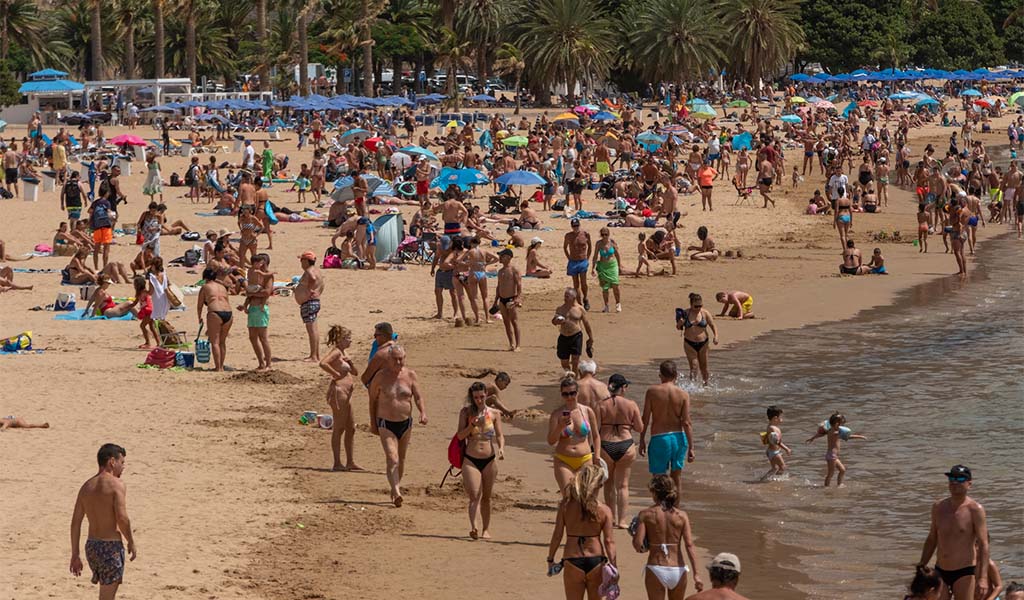
The City Council hopes that ADEAC will recognize these improvements in water management and reuse, rather than focusing solely on the situation at Cabo Llanos. The goal is to see beaches like Las Teresitas, Anaga, Los Charcos, and Añaza earn the Blue Flag once again, which would boost both the city’s environmental reputation and its tourism industry.
This situation highlights the ongoing friction between local and national authorities regarding infrastructure. Whether the city’s significant investment is enough to overcome the lack of progress on state-run projects remains to be seen, as the final decision now rests with ADEAC.