
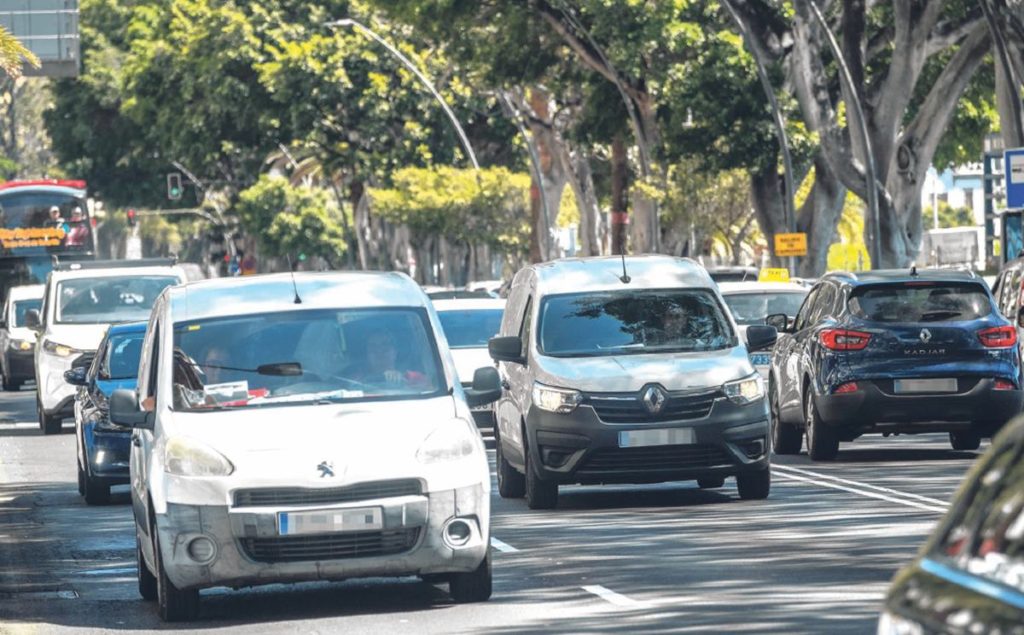
Santa Cruz de Tenerife Approves Draft for First New Traffic Ordinance Since 1985
Santa Cruz de Tenerife has approved a draft for a new mobility ordinance to replace its 1985 traffic regulations with modern standards for sustainability, technology, and personal mobility vehicles by 2027.
Santa Cruz de Tenerife is set for a major update to its urban traffic rules. Following a recent local government meeting, the city approved a draft for a new Mobility and Road Safety ordinance, which will replace the current regulations that have been in place since 1985. The new rules are expected to take effect in early 2027, finally bringing the city’s outdated framework up to speed with modern urban life.
The municipal government designed the update to focus on sustainability, accessibility, and new technology. The 1980s-era laws could not have anticipated today’s challenges, such as the rise of electric scooters and other personal mobility vehicles, the complexities of modern city deliveries, and the use of intelligent traffic control systems.
This proposal is more than just a list of traffic rules; it serves as the foundation for the city’s sustainable mobility strategy. It covers essential topics like road design and shared-use zones, while also updating the system for inspections and penalties. Crucially, the new ordinance includes mechanisms for regular review, allowing the city to adapt its policies as urban needs and travel habits change.
The drafting process included a public consultation last February, which resulted in the inclusion of 43 suggestions from local residents. However, the ordinance still has a few steps to clear before it becomes law. After the initial approval by the Government Board, the document must be approved by the municipal Plenary and undergo a period of public review. During this time, the City Council will address any further feedback to ensure the new rules align with European and regional standards for environmental protection and public well-being.