
Santa Cruz de Tenerife Approves €388.2 Million Budget for 2027
The Santa Cruz de Tenerife City Council has approved a 388.2 million euro budget for 2027, marking a 1.8% increase focused on infrastructure, social services, and urban development despite opposition criticism.
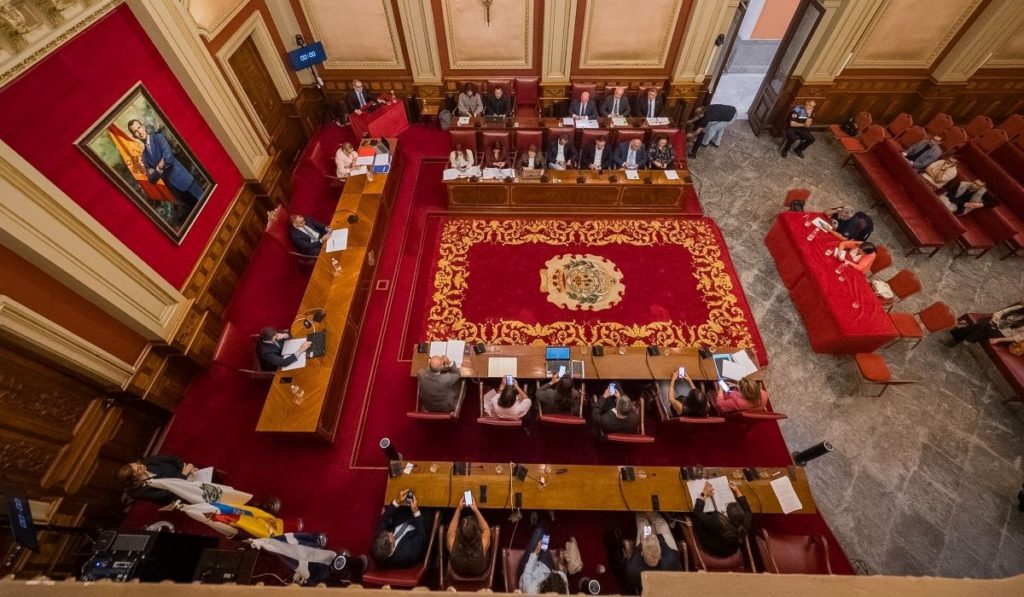
Santa Cruz de Tenerife City Council has approved its 2027 budget of 388.2 million euros. The plan passed during an extraordinary plenary session with support from the Canarian Coalition, the Popular Party, and independent councilor Juan Manuel Hermoso, despite opposition from the PSOE and Vox.
This budget represents a 1.8% increase over last year, with 57.4 million euros earmarked for direct investment. Key projects include 8.6 million euros for road improvements, 2.8 million for the Santa Catalina inclusive park, and 1.1 million for Las Teresitas beach. Additionally, the city will merge the Autonomous Organization for Culture (OAC) into the central council structure starting January 1, 2027.
The Finance department maintains that the budget is financially sound and complies with spending rules without needing extra adjustments. However, the opposition remains critical. The PSOE argued that funding for housing—specifically a 500,000 euro allocation—is insufficient and questioned spending on institutional communication. Vox criticized the city for relying on debt and failing to complete pending projects.
Mayor José Manuel Bermúdez defended the council’s track record, pointing to a lack of progress on social housing projects managed by the central government. Meanwhile, the governing coalition highlighted increased funding for Public Services (57.15 million), Security and Mobility (55.72 million), and an 8.2% boost for social protection policies, which now total 57.2 million euros.
The budget also sets aside 61.1 million euros for Education, Culture, and Sports, continuing support for landmarks like the Guimerá Theater and Viera y Clavijo park. With only two opposition amendments included, the approval of these accounts sets the stage for an election year where neighborhood management and urban development will be the primary points of political debate.